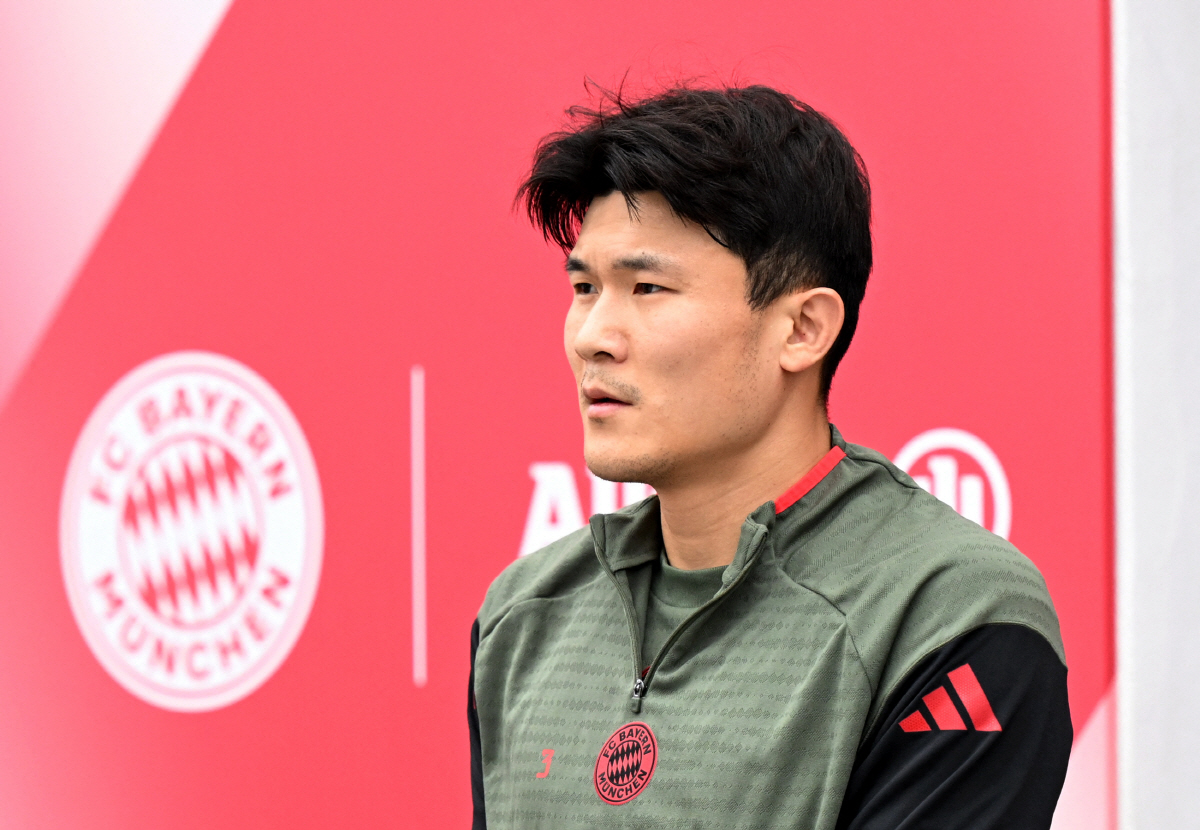
Recently, shocking news surrounding the esteemed Bundesliga club Bayern Munich has captured the attention of football fans. This news pertains to none other than the position of South Korean national defender Kim Min-jae within the team. Reports suggest there is hesitance within the club about utilizing Kim Min-jae effectively, and there is even talk that he might leave the club next season. This situation calls for a deep analysis of Munich's current defensive tactics and their future plans.
When Bayern Munich acquired Kim Min-jae, he was considered one of the best central defenders in Europe, having been a key part of Serie A champions Napoli. His robust man-marking skills, speed, and ability to build from the back generated high expectations that he would be a significant asset to Munich's defense. However, according to reports, there is a detectable reluctance within the club to actively incorporate Kim Min-jae, which indicates potential shifts in Munich's defensive philosophy or the coach’s tactical intentions.
From a tactical standpoint, Bayern Munich has traditionally played with a high defensive line and an aggressive playing style. In this system, the central defenders not only need to defend well but also cover the space behind them and initiate attacks through solid building from the back. Kim Min-jae was expected to fit this role, but he has faced competition from other center-backs within the team, such as Matthijs de Ligt and Dayot Upamecano. As a result, there have been games where Kim Min-jae's playing time has decreased or he has been excluded from the starting lineup in key matches, suggesting a preference for other types of defenders based on specific tactical requirements.
What makes this situation even more noteworthy is the speculation about Kim Min-jae potentially leaving the club next year, coinciding with other defenders' contract renewal talks. This suggests that Munich is meticulously reviewing its defensive lineup and is seeking changes from a long-term perspective. If Kim Min-jae were to depart, this might imply more than just the loss of a single player; it could signal a fundamental reshaping of Bayern's defense.
Furthermore, as mentioned by club officials, if Kim Min-jae leaves, the plan is to acquire a young central defender, which provides critical insight into Munich's future defensive strategy. There are two significant tactical implications here. Firstly, the aim might be to lower the team’s average age and enhance long-term vitality with generational change. Younger defenders can bring energy and development potential, becoming new forces within the team. Secondly, there might be an interest in acquiring a new type of defender. This would entail finding a player whose profile is more aligned with the coach's tactical philosophy or fits the football style the team is currently aspiring to, enhancing the completeness of the defensive tactics. For instance, they might prefer a player with exceptional footwork or someone optimized for a specific defensive system.
This situation illustrates that Bayern Munich is contemplating more than just filling its squad, but is actively working to establish its tactical identity and long-term vision. While hesitation in utilizing a world-class defender like Kim Min-jae might seem perplexing on the surface, it is likely the result of complex interactions between the coach's tactical decisions and the club's squad planning. Observing how Munich decides to restructure its defense and Kim Min-jae's eventual position within this new setup will be an intriguing point of interest.
@KimMinJae @BayernMunich @Bundesliga @FootballNews