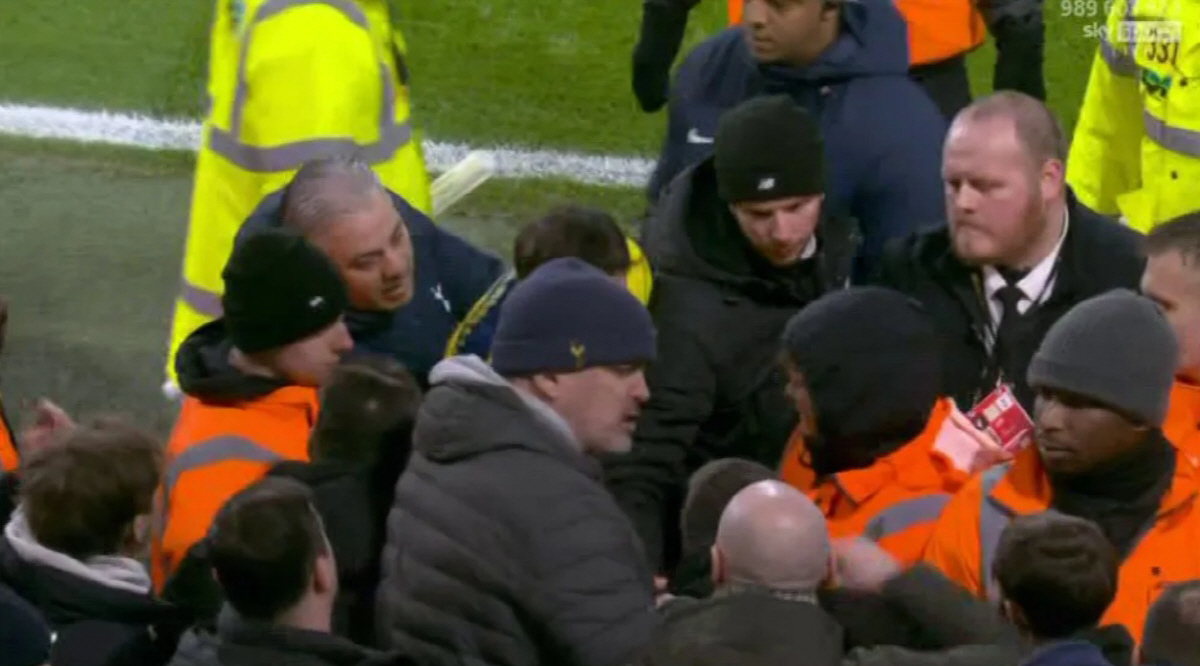
Recently, the atmosphere surrounding Tottenham Hotspur has been unsettling. The unexpected defeat after a dramatic comeback revelation brought internal turmoil to light. Particularly, the fans' outrage has surged, directly raising questions about Thomas Frank's managerial leadership. At the heart of this situation lies the significant impact of star player Son Heung-min's absence.
The recent dramatic defeat is more than just a loss. After the match, fans expressed their disappointment, even clashing with the team. The chant 'Come back, Son Heung-min' vividly illustrates how much Tottenham misses his presence. Son Heung-min is more than a mere striker who scores goals; he has been a spiritual anchor and a problem-solver in crisis situations. His absence has not only weakened the team's offense but has also significantly lowered overall morale and concentration.
Internally, there is talk of a ‘disorderly mess,’ indicating a notably unstable situation. This suggests that there are cracks in the bonds between team members and trust with the manager. Rumors of Micky van de Ven being at the center of criticism over passing issues with the manager add fuel to speculations of discord within the team. If there are misunderstandings or conflicts in executing tactical instructions between the players and the manager, it inevitably affects performance adversely. Historically, internal conflicts have often led to immediate performance declines, suggesting that this issue is not merely a passing incident.
Thomas Frank's leadership has also been put under the microscope. His tactics, which brought a fresh approach and good early season results, are now being tested by the departure and injuries of key players, examining his tactical flexibility and crisis management abilities. Notably, the tactical changes and substitution timings during the comeback defeat have become focal points for fan criticism. If the manager's tactical changes intensify the instability, or if the players cannot fully adhere to his instructions, it is undoubtedly a serious leadership issue.
From a tactical standpoint, Son Heung-min's absence has made Tottenham's attack pattern overly predictable. He was crucial in cutting inside from the left flank to take decisive shots or provide perfect chances for teammates. His explosive speed and penetration constantly threatened the opponent's defensive line and were a key element in creating space. However, in his absence, other players have been unable to fill the void, allowing opposing defenses to easily fend off Tottenham's attacks. Statistics reveal a noticeable drop in the team's number of effective shots and touches in the penalty box when Son Heung-min is absent, indicating a decrease in the team's ability to find attacking lanes.
This series of events indicates that Tottenham has reached a juncture where they must address fundamental issues beyond just a couple of match losses. Improvements are needed in manager's tactical decisions, squad management, and crisis response capabilities when key players are absent. Football fans keenly await how the team will implement changes to overcome this crisis in upcoming matches and whether they will regain their form once Son Heung-min returns. Whether Tottenham can sort out the current chaos and emerge as a resilient team depends entirely on the efforts of the manager and the squad.
@Tottenham @PremierLeague @SonHeungMin @ThomasFrank #FootballNews