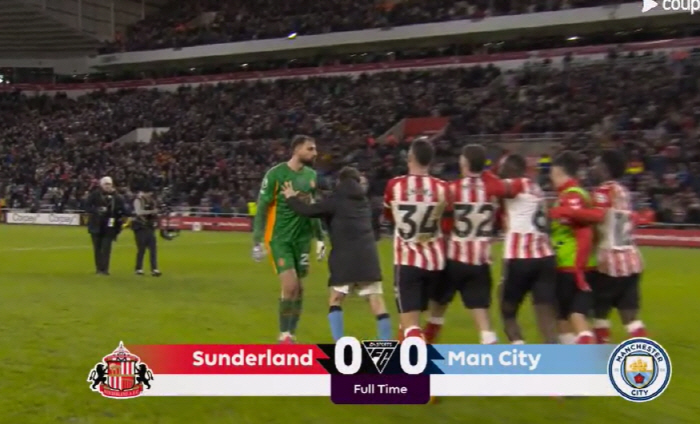
Recently, an incident in a Manchester City match has raised the need for a deeper tactical and psychological analysis beyond just the game result. Gianluigi Donnarumma, the team's goalkeeper, expressed dramatic and intense anger during the match, further heightened by Erling Haaland's charismatic presence, escalating the tension. Ultimately, manager Pep Guardiola intervened to mediate, clearly illustrating the emotional dynamics within professional football.
From a tactical perspective, Donnarumma's agitated reaction reflects not only personal emotional outburst but also the intense pressure and responsibility on the field. A goalkeeper is the last line of defense and plays a vital role in orchestrating the defensive line. A momentary lapse or a communication error with teammates can directly lead to a conceded goal, subjecting them to more mental pressure than players in other positions. Donnarumma's anger might stem from frustration with a particular situation during the match or a strong message to his teammates. Such a reaction can be seen less as a failure in emotional management, but rather as an instinctive expression of a professional athlete's passion for victory and pursuit of perfection.
Statistics reveal many instances of players experiencing emotional turbulence at critical moments. Modern football demands extreme focus and judgement due to its increased speed and unpredictability. Donnarumma's dramatic display of anger showcases the psychological pressure players endure in such high-stakes situations. It's a natural occurrence when an athlete's competitiveness and desire to win peak.
Erling Haaland's presence also contributed to the intense atmosphere. Known for his brilliant scoring ability and intense charisma, Haaland's impactful performance and relentless drive for goals can sometimes pressure his teammates. Although it is unclear if Haaland directly caused the incident, his strong leadership and overwhelming presence drew attention. While his gameplay consistently injects positive energy into the team, it often accompanies high expectations and demands.
In this scenario, Pep Guardiola's urgent intervention contains intriguing tactical and leadership insights. Guardiola is renowned for valuing not only tactical instructions but also the psychological stability and unity within his squad. Internal conflicts occurring during a match can negatively impact team morale, thus the manager has a duty to quickly pacify and maintain cohesion. Guardiola's decisive involvement aimed to prevent the escalation of internal strife and restore the team's mental equilibrium. This was more than mere arbitration; it was a forceful reminder of the importance of teamwork and emotional control during matches.
This incident prompts reassessment of professional football's core essence. It's not only tactics and skills that determine the outcome but also the complex interplay of players' emotions, psychology, and managerial leadership. In clubs like Manchester City, just as there are many players with exceptional competence, there are also those with strong personalities and winning desires. Unifying these talents for optimal performance is a significant role of the manager. This episode could serve as an opportunity for Manchester City to reassess potential internal conflicts and further strengthen their teamwork for the rest of the season.
In conclusion, Donnarumma's intense emotional display and Guardiola's intervention emphasize the importance of team psychology management and teamwork as much as technical superiority in modern football. Observing how Guardiola handles this situation to fortify the team will be a key perspective in analyzing Manchester City's performance.
@GianluigiDonnarumma @ErlingHaaland @PepGuardiola @ManchesterCity @FootballNews