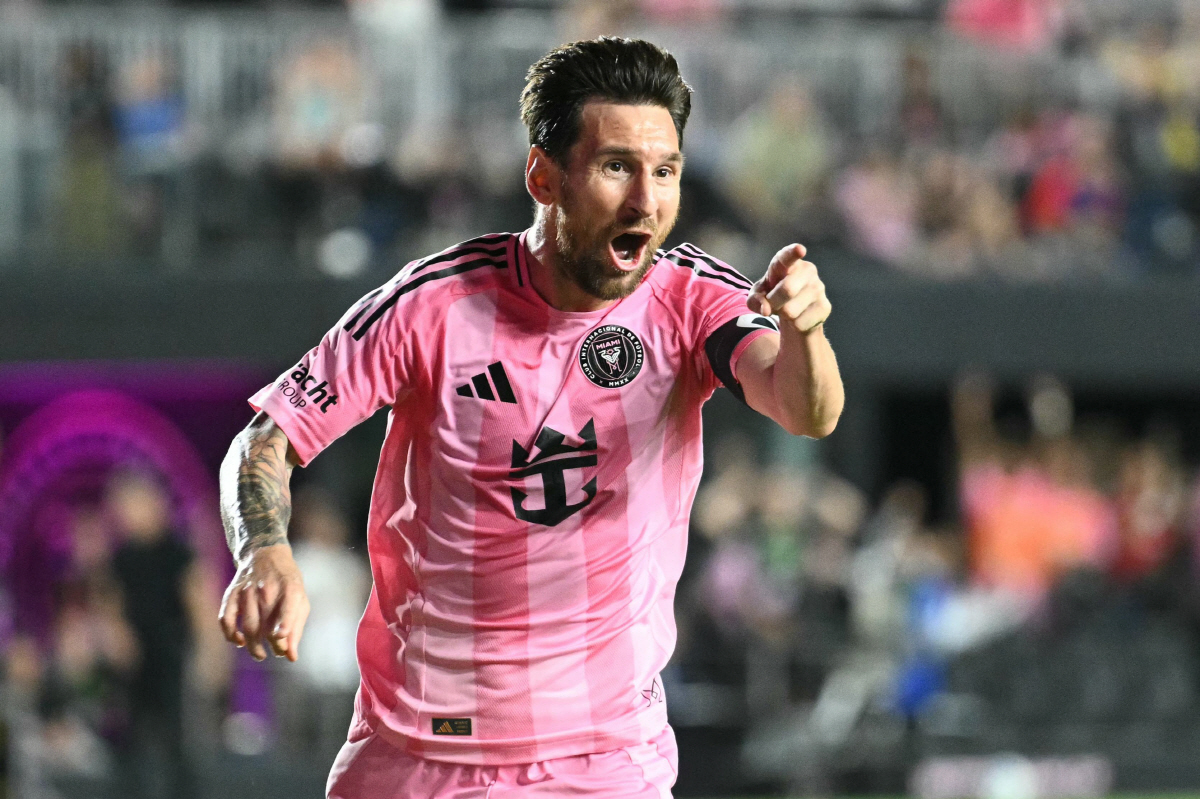
In recent years, the most significant variable shaking up the global football transfer market is undoubtedly the explosive growth of the Saudi Pro League and its astronomical investments. Previously, the Chinese Super League attracted similar attention, but the Saudi Pro League exhibits an entirely different level of impact in terms of scale and sustainability. Particularly, the massive offers targeting global superstars like Lionel Messi and Son Heung-min should be interpreted as harbingers of a fundamental shift in the landscape of modern football, beyond mere transfer rumors.
The "love calls" extended by Saudi clubs are reportedly overwhelming the financial scale of existing major European leagues. According to reports, despite Lionel Messi rejecting an offer equivalent to 2.4 trillion won from a Saudi club, rumors suggest he continues to receive "blank check" and "lifetime contracts." Likewise, the report of Al Ittihad club chairman offering Son Heung-min an annual salary of 50 billion won has created a buzz among football fans both domestically and internationally. While these specific figures remain unverified reports or mere rumors, the fact that Saudi capital is not hesitant to propose unimaginable offers has been proven through several instances.
From a tactical perspective, this trend carries complex implications. Firstly, concerns arise over the potential disruption of the tactical hegemony in European football. The departure of top-tier players like Messi and Ronaldo to the Saudi league could lead to a qualitative decline in the top European leagues as their playstyle and tactical influence are lost. Of course, while the level of the Saudi league may see a positive rise, there is also the possibility of the European leagues' exclusive status weakening over the long term.
Furthermore, strategic considerations regarding individual players' career management have intensified. For players like Son Heung-min, who can still compete at the highest level in European leagues, the offers from Saudi clubs present substantial financial temptation. While it's essential for young players to develop their skills through competition in Europe, achieving financial security for those at the peak of their career or nearing its end can be an enticing prospect. This raises the fundamental question of "what do footballers aspire to achieve in life," beyond just financial considerations.
From the perspective of coaching strategies, interesting points of observation emerge. The Saudi league, filled with superstars recruited on substantial capital, may offer managers an environment more conducive to deploying tactics that rely on individual talent. This could lead to a style of play focused on leveraging star players' skills to resolve matches, as opposed to organized pressing or intricate build-up play, contrasting with the trend in European football, which demands increasingly complex and organic tactical systems.
Statistics show that the Saudi league is already exerting considerable influence in the transfer market. Even last summer, the total transfer fees spent by Saudi clubs were second only to Europe's top five leagues. Such massive capital injections have led to a gradual increase in the competitive level of the Saudi league. Nonetheless, the gap with top European leagues remains evident, and the league's tactical depth and player development systems are still works in progress. For the acquisition of superstars to lead to sustainable league development, robust youth programs and enhancement of coaching staff's tactical capabilities are crucial.
The key consideration in this scenario is that the flow of "oil money" extends beyond mere player acquisitions to being connected with Saudi Arabia's ambition to reshape the global football power structure. By elevating its domestic league's stature, Saudi Arabia ultimately aims to positively impact the hosting of major international events like the World Cup. These strategic moves will exert considerable pressure on both the Union of European Football Associations (UEFA) and the International Federation of Association Football (FIFA).
In conclusion, even if fans question the factual basis of rumors about "blank check "-level offers made to Messi and Son Heung-min, there is no denying they are setting a new financial benchmark in the global football market. This development not only presents a new variable in players’ transfer decisions but is also likely to heavily influence the squad management and financial strategies of Europe's major clubs. As football fans, it is time for us to closely monitor how the whirlwind of Saudi oil money will alter the tactical trends and league landscape of modern football.
@SaudiProLeague @OilMoney @LionelMessi @SonHeungmin @FootballTransfers @TacticalAnalysis