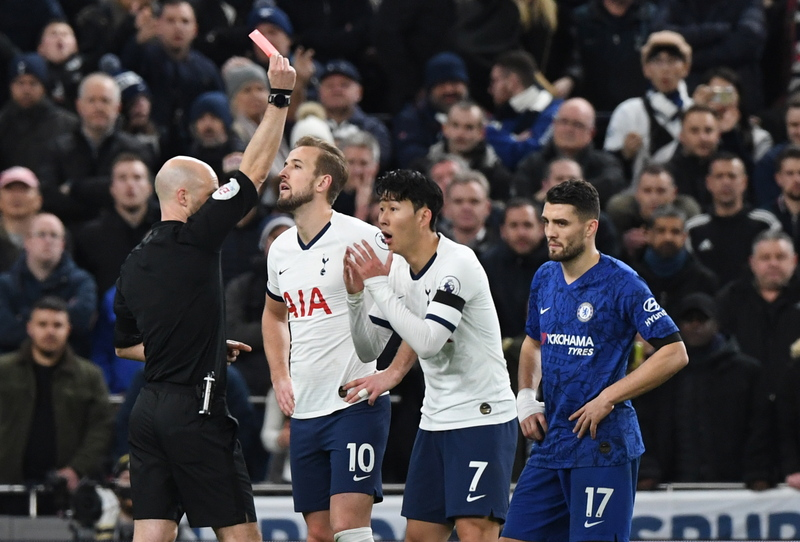
The English Premier League faces a grueling fixture schedule every year during the holiday season, famously known as 'Boxing Day'. It is a relentless period that not only tests a team's squad depth and managerial tactical flexibility but also the ability to manage yellow cards effectively. With high-intensity matches packed in a short period, minor mistakes or emotional plays can unexpectedly lead to disciplinary actions.
From a tactical standpoint, the winter fixtures can massively drain players' stamina. The tight travel and preparation schedule significantly reduce recovery time for players, leading to decreased focus and muscle fatigue. Receiving unnecessary yellow cards due to reckless tackles or protests can be detrimental to the team. If a key player misses a game due to accumulated yellow cards, the manager might have to adjust existing tactics or field backup players, directly affecting the team's organization and performance, making it difficult to maintain tactical stability during critical times.
Statistics reveal that as the season progresses, suspensions due to accumulated yellow cards become an inevitable reality. Particularly for positions that often engage in aggressive play, like central midfielders or defenders, the risk of accumulating yellow cards is ever-present. Tactical fouls aimed at disrupting opponents' momentum or stopping counter-attacks frequently result in yellow cards. However, excessive such plays or unnecessary emotional outbursts should be avoided since a single yellow card can result in missing the next match. It is challenging for substitute players to fill in the absence of a crucial player, especially if that player plays a central role in the team's tactical structure.
A manager’s skill in squad management becomes even more crucial during this period. Beyond crafting the best starting eleven, they must anticipate potential cumulative yellow card scenarios and use player rotation to spread out the suspension risk. For instance, if a key player already has three yellow cards, they might be rested or substituted in a relatively easier match to avoid another booking. Consistently providing playing time for backup players is also essential to keep them ready to step up and fill any gaps in the first team. Such meticulous management is vital for the team's long-term success.
Analyzing this season’s Premier League dynamics, competition is fierce for both the top-tier teams and those ranked mid-to-lower. Since the result of a single match can greatly impact standings, continually deploying the best possible squad is crucial. Therefore, avoiding unnecessary yellow cards while enhancing each player's self-management skills becomes especially important. Maintaining composure amidst grueling schedules and minimizing emotional outbreaks is a team-wide responsibility that affects overall victories and defeats. It is a time where professional responsibility and discipline are emphasized more than ever.
In conclusion, the Premier League’s winter fixture schedule is a complex challenge beyond simple stamina battles. Success during this tough period requires the strategic acumen of the manager, the squad depth, and the mental resilience and yellow card management ability of individual players working in harmony. Only teams that wisely navigate this crucial phase will find themselves in advantageous positions later in the season, impacting both title races and relegation battles significantly.
@PremierLeague @FootballNews @TacticalAnalysis @SquadManagement