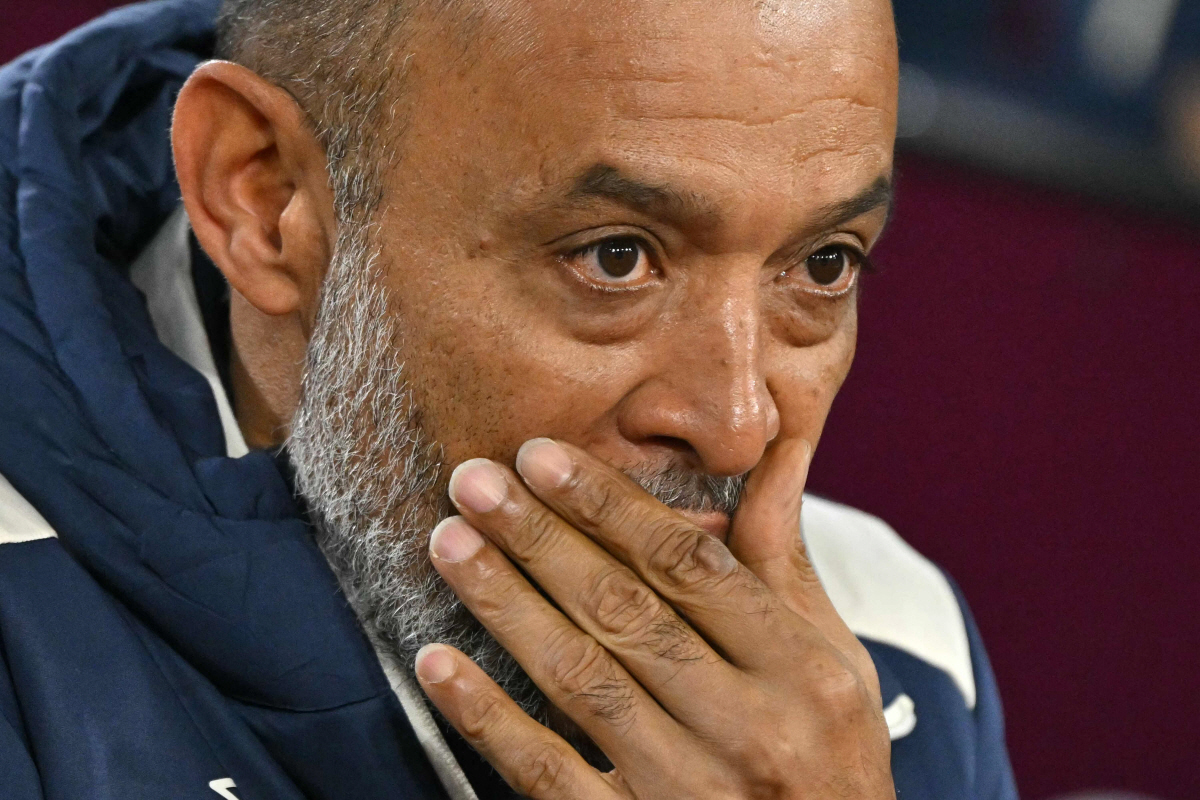
In the fiercely competitive battle for Premier League survival that unfolds each season, the news of Wolverhampton Wanderers facing a serious threat of relegation has captivated the attention of football fans. Referencing data from professional statistical agencies like Opta, an analysis indicating a relegation probability as high as 99.84% suggests a situation so dire that it borders on hopeless. This scenario not only affects the morale of the entire team but also has significant implications for the future of Hwang Hee-Chan, who is a pivotal attacking force.
Wolverhampton's struggles this season seem to be the result of a complex interplay of tactical issues. Primarily, the team’s inconsistent scoring ability has been identified as a major problem. Struggling to create goal-scoring opportunities or lacking the finishing touch in decisive moments has resulted in missed opportunities to accumulate points in many matches. From a tactical perspective, the team appears to lack creative attacking patterns that can effectively dismantle opposing defenses. Additionally, frequent lapses in ball possession in midfield have exposed their vulnerability to counterattacks, while inadequate organizational responses in defensive transitions have been a significant cause of their relegation threat. The overall tactical execution and individual player focus have not met expectations, causing the team to slide further into peril.
Despite these bleak team conditions, Hwang Hee-Chan’s presence has been a bright spot. As a key attacker for the team, he has carved pathways for Wolverhampton’s offense through his characteristic aggressive dribbles, explosive speed, and menacing movements inside the penalty area. Particularly, his ability to exploit spaces behind defensive lines and create shooting chances by cutting in from the wings has been recognized as a crucial element adding tactical variety to Wolverhampton’s attack. However, it is regrettable that despite Hwang Hee-Chan’s valiant efforts on the pitch, the unsteady team cohesion limits his ability to turn around match results. Considering his playstyle, his impact could be more profound in a fast-paced, dynamic attacking setup, yet Wolverhampton’s somewhat stagnant attacking rhythm hinders full utilization of his strengths.
Should Wolverhampton face actual relegation, it would represent a crucial turning point in Hwang Hee-Chan’s career. Relegation from the Premier League typically leads to the departure of key players. Given hints that Wolverhampton might offer key forwards at lower transfer fees if relegated, it is analyzed that valuable players like Hwang Hee-Chan could move to other teams for relatively modest transfer fees. Considering his current form and potential, Hwang Hee-Chan is deemed capable of showcasing his competitiveness both in the Premier League and other top European leagues. Teams that value his work rate and scoring contributions are expected to actively pursue his acquisition in the transfer market. This scenario could provide Hwang Hee-Chan with an opportunity for a new career leap but would simultaneously pose significant challenges for Wolverhampton in their reconstruction efforts.
In conclusion, the 99.84% relegation probability for Wolverhampton reveals not just a number, but a glaring indicator of tactical failure and operational disarray within the squad. This situation increases the likelihood of transfers for key resources like Hwang Hee-Chan, offering him the chance to explore new career paths. For Wolverhampton, establishing an effective team rebuilding strategy post-relegation is crucial in preparing for the next season. For Hwang Hee-Chan, approaching a juncture to seek an environment where his tactical value can be maximized involves making a wise decision at this time.
@WolverhamptonWanderers @HwangHeeChan @PremierLeague @FootballNews