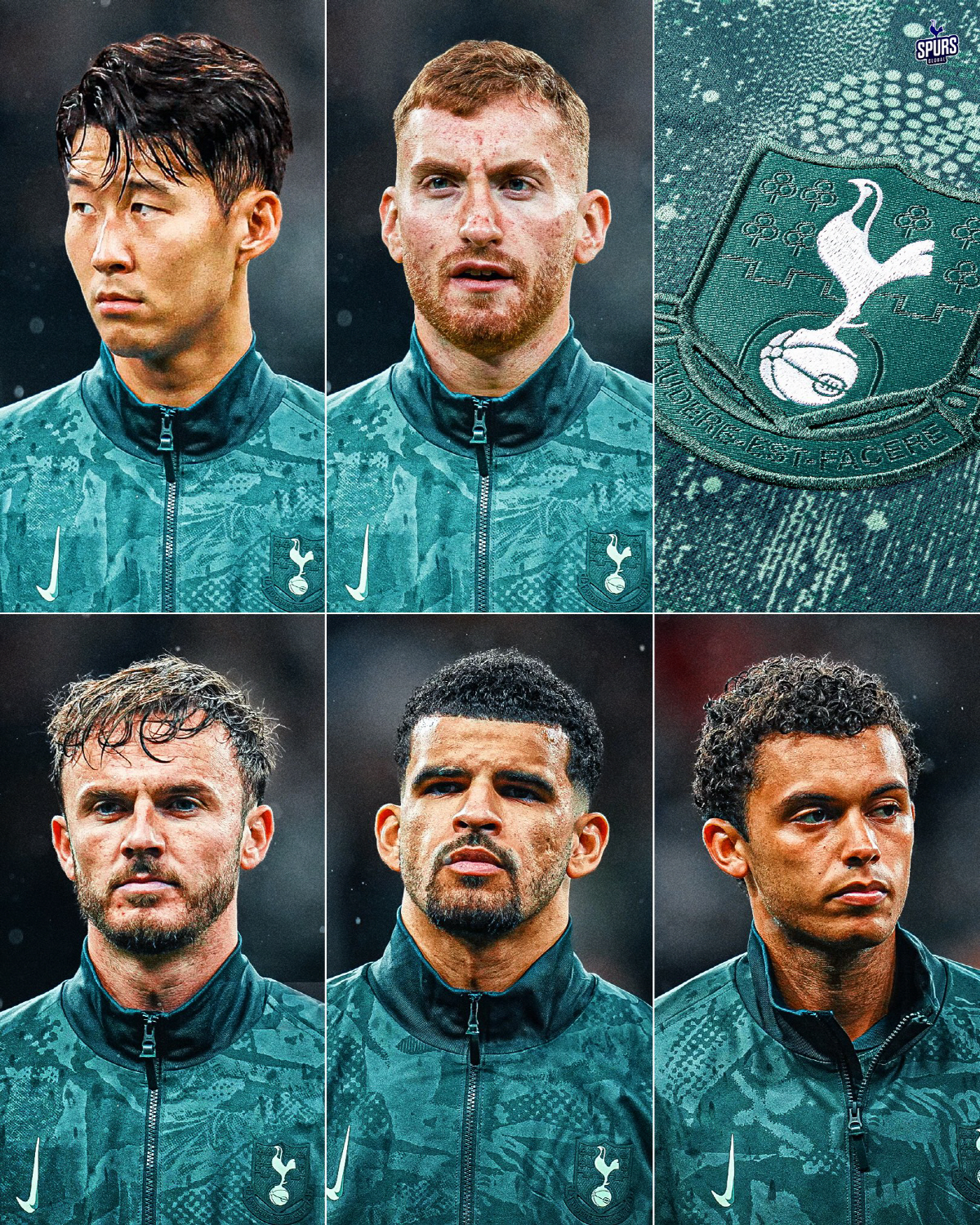
Recent headlines dramatically highlight the crisis facing Tottenham Hotspur's attacking lineup. With mentions of a 'season-ending' scenario, fans' concerns have amplified. This situation stems not just from individual injuries, but from a cumulative predicament involving injuries to Dominic Solanke and Dejan Kulusevski, compounded by the summer departure of Son Heung-min to LAFC, leaving a significant void.
<br />The absence of Son, who transferred in August 2025, is increasingly palpable. At the time, some fans hoped for a stable new attacking system post-Son's departure, but reality has fallen short. Son was more than just a goal-scorer; he disrupted defensive lines with his movement between the flanks and center, exploited spaces with outstanding off-the-ball skills, and exhibited clinical finishing in challenging situations. His absence has led to a stark loss of diversity in attack, rendering Tottenham's offensive play more predictable for opponents. This underscores the massive influence a superstar can wield on a team’s overall attacking prowess.
Unfortunately for Spurs, injury woes have further compounded with key attackers Dominic Solanke and Dejan Kulusevski both sidelined for an extended period. Solanke has been out since August with ankle and foot injuries, with no clear timetable for his return. His work rate as a central striker, combined with his ability in link-up play and finishing within the box, has been crucial to Tottenham's attack. His absence diminishes central attacking weight, making it harder to dominate opponents' defenders. Statistics markedly show fewer box touches and shots on target when he is absent.
Meanwhile, Dejan Kulusevski, pivotal in injecting creativity and width, faces an uncertain recovery timeline due to persistent setbacks. Known for his wide vision, precise left-footed crosses, and shooting prowess, his role was indispensable in energizing the right flank. His injury disrupts manager Postecoglou’s tactical plans, complicating flank play and chance creation, which directly impacts scoring capability and overall team performance.
From a tactical perspective, the void left by these three players severely constrains Postecoglou’s 'attacking football' philosophy. Son's departure weakens side attacks and finishing; Solanke's injury negates front-line link play, and Kulusevski's absence blunts the attack's creative edge. Currently, Tottenham’s attack patterns are simplified, lacking the magical individual skills or unpredictable movements necessary to penetrate dense defenses. The string of injuries depletes available resources, exacerbating player workload and fatigue, potentially triggering more injuries.
While other players in the squad struggle valiantly, realistically, none can fully replicate the tactical flexibility provided by Son, Solanke, and Kulusevski. Although opportunities are given to younger players, expecting them to play pivotal roles in the high-pressure Premier League is demanding. Thus, to navigate this crisis, Tottenham must explore new roles for existing players and tactical adjustments. Options include encouraging midfield contributions to attack or enhancing scoring from set pieces.
In conclusion, Tottenham faces a crisis going beyond temporary poor form, directly threatening its identity and attacking potency. Son’s successful transfer underscored his brilliance but left a gaping void in the team. Coupled with the injury woes of Solanke and Kulusevski, the challenge of reaching this season’s objectives looms considerably. Postecoglou's tactical acumen and crisis management are now more crucial than ever, with the team’s cohesion and resilience facing a tough test. We must closely observe how Tottenham navigates this ordeal.
@DominicSolanke @DejanKulusevski @SonHeungMin @Tottenham @LAFC @PremierLeague @FootballNews