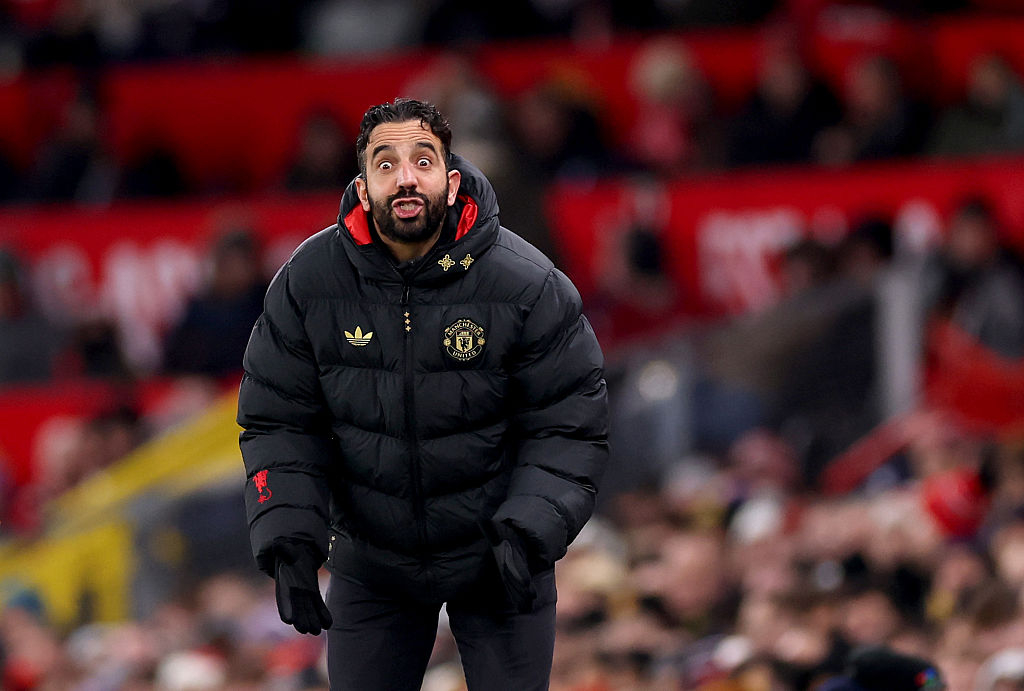
Shocking news has emerged from the illustrious English Premier League club, Manchester United. It has been officially announced that manager Ruben Amorim was dismissed as of January 5th. Typically, a manager's dismissal is attributed to poor performance or tactical failures, but Amorim's case is unique and presents intriguing insights. Particularly, discussions among club officials have revealed that Amorim desired his own dismissal and had recently exhibited 'capricious and emotional reactions,' causing significant ripples in the football world.
From a tactical standpoint, the replacement of a manager signifies a significant change directly linked to the team's strategic direction. However, Amorim's departure is notably focused on the psychological state and leadership issues of the manager rather than direct discussions about tactical failures or team performance. The club's statement that Amorim 'wanted to resign' suggests the presence of far more complex internal conflicts and stress beyond the apparent on-field and off-field situations.
Statistically speaking, it is extremely rare for a manager in top leagues like the Premier League to request resignation. Most managers either complete their contract terms or leave due to the club's notification of dismissal. Thus, Amorim's case highlights the immense pressure inherent in a large club like Manchester United and the overwhelming mental burden on a manager. The mention by club officials of his erratic and emotional states could indicate the severe stress he was under.
The role of a football manager extends beyond crafting tactics and guiding players. It requires managing team morale, balancing media relations, and sharing and executing the club's vision. All these elements combine to influence the team's performance and atmosphere. If a manager exhibited emotional instability, it likely negatively impacted communication with the squad, decision-making during crucial matches, and the long-term team-building process.
This incident raises questions about what factors Manchester United will prioritize when appointing a new manager. Beyond tactical acumen, leadership that possesses strong mental resilience and crisis management skills will be essential. Additionally, introspection within the club about how to moderate and manage external pressures and expectations on the manager is crucial.
Ruben Amorim's dismissal is not merely the departure of one manager from a team; it serves as a reminder of the psychological weight a football manager bears in contemporary football, along with the various issues this weight can provoke. How Manchester United overcomes this challenging situation and prepares for the next stages, and what vision and leadership the new manager will demonstrate, are aspects to watch eagerly.
@RubenAmorim @ManchesterUnited @PremierLeague @FootballNews