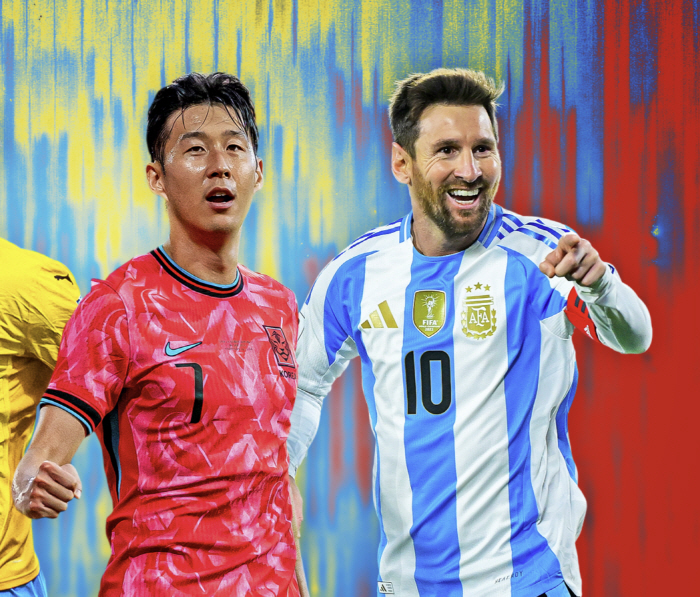
Recently, there has been a consistent analysis suggesting that the rise of soccer in the American sports market is remarkable. The entry of Lionel Messi into Major League Soccer (MLS) and the global influence of Son Heung-min combine to elevate soccer to a level where it now competes for a spot in the top three most popular sports in the U.S. This should be viewed not just as a surge in popularity but as a significant shift that could disrupt the traditional landscape of American sports.
Lionel Messi's joining of Inter Miami has had a massive impact not only on MLS but also on American soccer as a whole. From the moment he set foot in the U.S., stadium attendance skyrocketed, while broadcasting revenue and merchandise sales grew significantly. This is more than just the star power of an individual player; it serves as a clear example of the immense media and commercial impact that a global soccer superstar can have when they engage directly in a specific league. Messi's presence has transformed MLS games from mere sporting events into cultural phenomena. Each of his plays makes headlines, and his every move captivates fans, acting as a catalyst for attracting new soccer enthusiasts.
Son Heung-min's influence is equally crucial. Although he doesn't play in MLS, his consistent performance in the Premier League, his top scorer title, and the commanding performances as an Asian player have left a deep impression on global soccer fans. His popularity in Asian markets is explosive, and as the Asian American population grows in the U.S., it plays a role in heightening the interest in soccer. His explosive dribbling, two-footed shooting ability, and characteristic friendly demeanor heighten the appeal of soccer as a sport, leaving a strong impression on American fans as well. The concurrent influence of these global stars is altering how Americans perceive soccer.
This phenomenon cannot be attributed solely to the individual abilities of star players. While a formal ranking of "third most popular sport in America" hasn't been established, the trend indicating a surge in soccer's popularity is unmistakable. The increase in the younger generation and Hispanic population is recognized as a chief growth engine of soccer fandom. These demographics have traditionally shown a higher interest in soccer than in baseball or American football and are increasingly integrating it into mainstream American culture, thereby widening soccer's appeal. Moreover, changes in the media environment that allow easy access to top-level European league games are another key element driving the sport's popularity.
There are even analyses suggesting that soccer's popularity could surpass the influence of baseball star Shohei Ohtani. While no one can deny Ohtani's dominant performance and star power in baseball, soccer benefits from a structure where multiple global stars like Son Heung-min and Messi simultaneously thrive across different leagues, creating synergies. This indicates that soccer has the potential to cultivate a broader and deeper fan base compared to sports that heavily rely on a single star. Particularly among younger people, the dynamism and team play inherent in soccer are proving to be more appealing.
An interesting aspect of coaching strategy is that this rise in popularity positively influences the tactical development of MLS teams. The influx of star players enhances not only performance levels but also raises the overall league standard and lays the groundwork for more sophisticated and modern tactics. For instance, with Messi onboard, Inter Miami actively employs an aggressive 4-3-3 or 4-2-3-1 formation that maximizes his ball possession and creativity, setting new trends in league tactics. Such tactical attempts can improve the league's overall competitiveness, creating a virtuous cycle that sparks fan interest.
The rapid rise in soccer's popularity in the U.S. is not merely a temporary phenomenon but could serve as a crucial turning point that may reshape the American sports landscape from a long-term perspective. The upcoming co-hosting of the 2026 North America World Cup is expected to further accelerate this trend. It is a pivotal moment to observe how American soccer will evolve and its impact on the global football market.
@SonHeungMin @LionelMessi @MLS @USASoccer @FootballNews