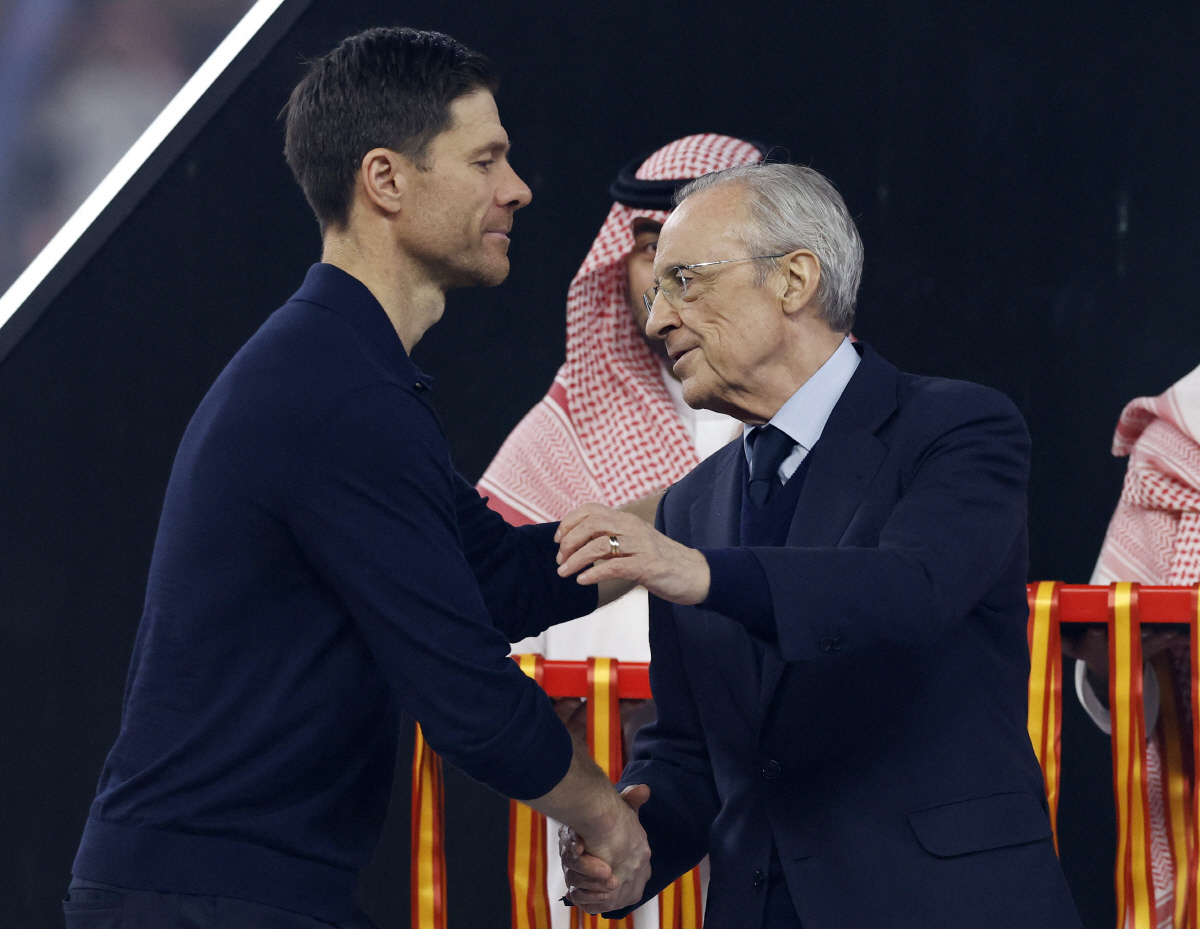
Real Madrid has been hit with shocking news as head coach Xabi Alonso has stepped down after just seven months in charge, with legendary club figure Álvaro Arbeloa being immediately appointed as the new head coach. Although brief, this separation appears to result from a combination of factors beyond simple poor performance. In today's analysis, we delve deep into the background of Alonso's dismissal and explore Real Madrid's strategic and club management perspectives.
<br />The primary cause of this dismissal was the 'internal conflict' between coach Alonso and the club's leadership concerning the fitness coaching staff. Upon his appointment in the summer of 2025, Alonso wanted to bring in his own fitness team, which ended up reducing the role of long-standing key fitness director Antonio Pintus. Pintus assumed the less involved position of 'Performance Manager.' From a tactical perspective, it is natural for a coach to attempt to establish a physical training system aligned with his philosophy. However, Real Madrid, particularly President Florentino Pérez, held strong trust in Pintus's training methods, which likely served as a constant limitation on the coach's autonomy.
At the start of the 2025-26 La Liga season, Real Madrid showed a smooth start. However, from the latter half of 2025, the team's performance began to noticeably decline, and, most alarmingly, there was a serious outbreak of injuries among the squad. Club leadership attributed these issues to the new fitness methods introduced by Alonso. Although direct statistics were not verifiable, the successive absence of key players decreased the team's tactical flexibility and weakened overall performance. This doubt about the coach's leadership may have been a critical tipping point.
Subtle cracks were also detected within the locker room. It was reported that the team's key player, Vinícius Júnior, expressed dissatisfaction with some tactical decisions made by Alonso, such as substitutions. When a team's star player publicly expresses discontent with a coach's decisions, it can negatively affect the locker room atmosphere. The lack of delicate relationship management between the coach and the squad seems to have placed an additional burden on Alonso, highlighting the unwritten rule in football that even the best tacticians can struggle to succeed without the squad's complete trust.
The decisive catalyst for Alonso's dismissal was the 3-2 defeat to arch-rivals Barcelona in the Spanish Super Cup final on January 11th. An El Clásico defeat, especially in a crucial match with a trophy at stake, is untenable for Real Madrid. Fans' dissatisfaction, coupled with the limits of the club leadership's patience, likely reached a breaking point. This loss was the final trigger for all the accumulated issues, including fitness problems, declining performance, and locker room discord.
Ultimately, on January 12th, the club announced a 'mutual agreement' departure of Alonso and appointed Álvaro Arbeloa as the new head coach. Alongside this, Antonio Pintus returned to a central first-team fitness role, clearly reaffirming Florentino Pérez’s strong support for Pintus’s methods and showcasing the club's definitive stance on player physical condition and injury management. Once again, Real Madrid has demonstrated an operational approach prioritizing the club's system and philosophy over the coach's tactical autonomy.
During his brief tenure, Alonso managed a total of 34 matches, securing 24 wins, 4 draws, and 6 losses, which is quite respectable. Despite his competitive win rate, Alonso ultimately failed to resolve the aforementioned complex issues, resulting in a premature departure. While his tactical capabilities are certainly commendable, his inability to overcome the unique environment of Real Madrid, particularly the philosophical differences with the club's fitness system, remains a regretful point.
Under the new regime of manager Arbeloa, what changes await Real Madrid? With Pintus's return, the management of the squad's physical condition is expected to stabilize once more. As a club legend, Arbeloa may have an advantage in terms of player management. However, whether he can demonstrate the tactical depth and crisis management skills that eluded Alonso remains to be seen. Real Madrid will now face the task of seeking internal stability while exploring a new tactical direction.
@XabiAlonso @RealMadrid @AntonioPintus @LaLiga @SpanishSuperCup @AlvaroArbeloa @ViniciusJr @FlorentinoPerez