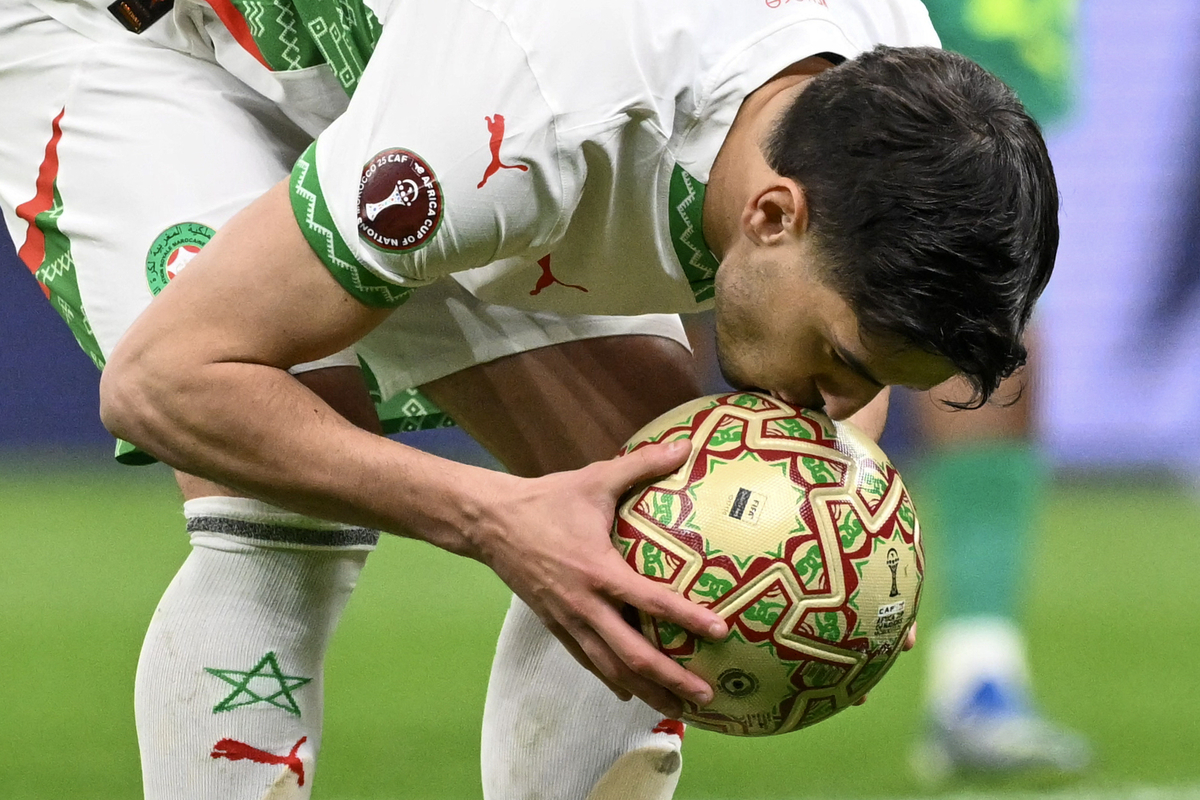
The Africa Cup of Nations (AFCON) final, organized by the Confederation of African Football (CAF), was more than just a battle for the championship. It left a scene of unprecedented controversy in football history. This controversy revolves around the mass walkout by Senegal's players. The shocking incident not only influenced the match dynamics but also hints at far-reaching consequences in international football, creating a hotbed of discussion. As a football analyst, I aim to dissect this incident from multiple angles.
This AFCON final, a highly anticipated showdown between African football powerhouses Morocco and Senegal, was midway through when VAR review awarded Morocco a penalty kick. Brahim Diaz took the shot but failed to convert it into a goal. However, the aftermath of this missed penalty caused an even greater uproar. Following the instructions of coach Pape Tiou, the Senegalese team staged an unprecedented 15-minute walkout from the pitch in protest of the referee's decision.
From a tactical perspective, such an interruption could serve as a significant variable. Missing the penalty denied Morocco a goal opportunity, and the strong protest with game disruption could have broken their focus. For Senegal, whether intentional or not, this walkout may have functioned as a psychological game, allowing players to recuperate or receive additional instructions during the prolonged stoppage. This unexpected halt became a variable affecting both teams. However, CAF has condemned Senegal's mass walkout as "unacceptable and inappropriate," hinting at potential disciplinary actions, as it contradicts the spirit of sportsmanship and fair play.
Despite this, the match resumed, and Senegal clinched a 1-0 victory through a decisive goal by Pape Gueye after a hard-fought battle into extra time. Yet this victory carries a shadow of controversy, particularly with the Moroccan Football Federation (FRMF) now planning to take legal action against CAF and FIFA over the incident. Morocco claims that the mass walkout by Senegal directly influenced the match outcome.
Dismissing Morocco's claims as mere excuses for defeat would be unjust. Statistically and psychologically, an unexpected, lengthy game stoppage can significantly affect players' rhythm and concentration. Given the missed penalty scenario, the Moroccan team faced a drastic atmosphere collapse. Conversely, the Senegalese expressed their dissatisfaction through vigorous protests and walkout, possibly aiming to disrupt their opponent's momentum. Whether this directly affected the result is a matter for legal determination, but criticisms that it disturbed the order and fairness of the match seem unavoidable.
This incident transcends a mere dispute over a match result; it sets an essential precedent for handling similar situations in future international football matches. It underscores the need for profound discussions on balancing managerial decisions, player actions, and regulations by associations and FIFA. To uphold the essence of fair play, this incident requires a clear, fair resolution, presenting a crucial milestone guiding the future of football matches.
@AFCON @Morocco @Senegal @PapeTiou @BrahimDiaz @PapeGueye @FRMF @CAF @FIFA