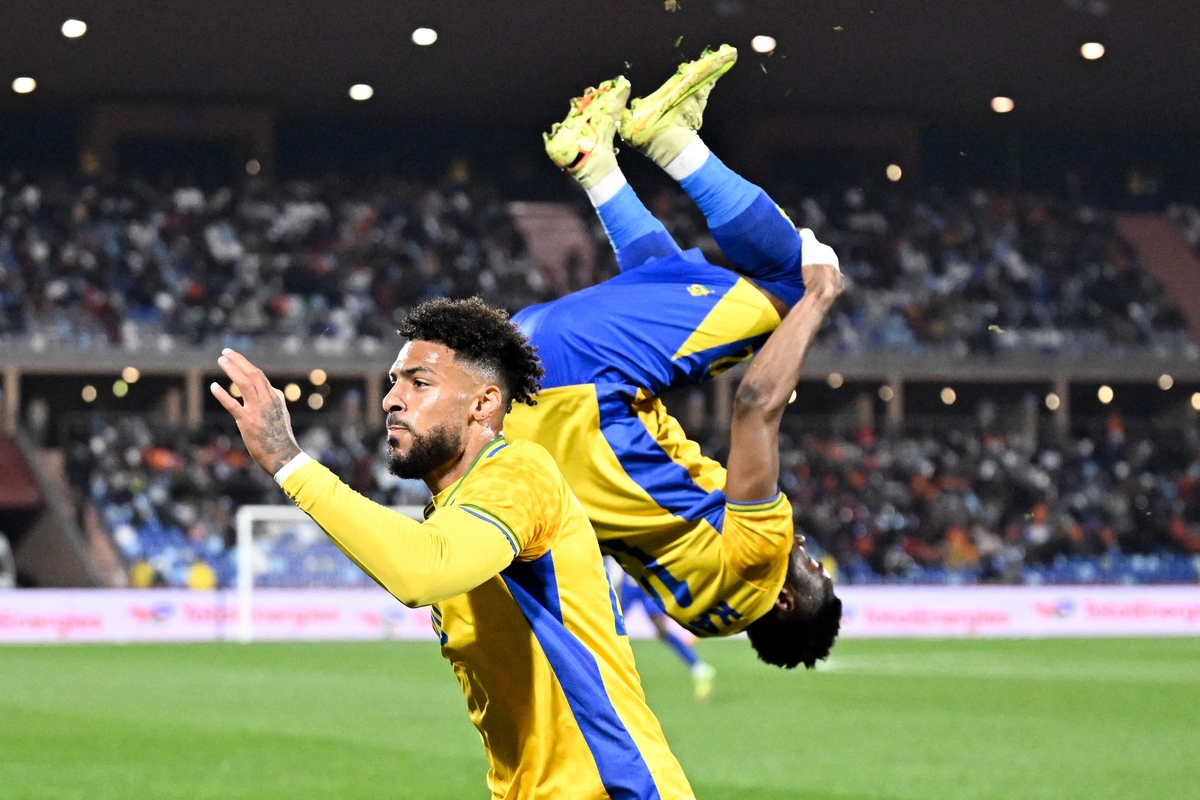
Gabonese football has been rocked by stunning news. Due to poor performance in the qualifiers for the 2025 Africa Cup of Nations, the Gabonese government has announced the indefinite suspension of the national team, dismissed the coaching staff, and made the bold move to exclude star player Pierre-Emerick Aubameyang from the team. This is seen as more than just addressing poor performance but as blatant government interference in football, which is expected to cause significant repercussions in international football.
The decision followed Gabon’s horrifying record of three consecutive losses in the group stage of the 2025 Africa Cup of Nations qualifiers. Particularly noteworthy was the match against Ivory Coast, where despite leading 2-0 in the first half, Gabon conceded three goals in the second half and suffered a shocking 2-3 defeat. These results highlighted not just a decline in performance but also severe issues such as the team’s lack of tactical cohesion, mental weaknesses, and a deficiency in crisis management skills. The approach to match management after securing a lead, the ability to adjust to the opponent's tactical changes, and maintaining focus until the end were all found lacking.
The Gabonese government’s actions extend beyond simply holding the coach or players accountable. The extreme decision of 'indefinite suspension' of the national team is inevitably viewed as direct government intervention in football administration. Furthermore, the exclusion of global superstar Aubameyang seems to involve more than questioning his performance and might hint at complex political factors like internal leadership issues, conflicts, or disagreements with the government. As a symbol and motivational pillar of the team, Aubameyang’s absence will create a significant void in the future of Gabonese football.
From a tactical standpoint, excluding Aubameyang is akin to losing the central engine of Gabon’s attacking strategies. His explosive speed and exceptional positioning were crucial to Gabon’s attacks. Losing him imposes the tactical challenge of overhauling the team’s entire attacking route, not to mention the clear detriment to scoring ability. With the government likely to orchestrate the appointment of a new coach, the philosophical and tactical direction of Gabon’s national team might become increasingly susceptible to political influence.
The most worrying aspect of this situation is the potential for sanctions from FIFA (Fédération Internationale de Football Association). FIFA strictly prohibits governmental interference in the operation of football associations. Many countries in the past have faced suspension from participating in international competitions due to government interference. Given these precedents, Gabon’s current actions can be interpreted as a direct violation of FIFA regulations, potentially leading to the country's expulsion from all international football fixtures, a scenario that could have devastating consequences for the long-term development of Gabonese football.
This incident starkly illustrates how the interplay between politics and sports can lead to dire outcomes. While the Gabonese government may have expressed outrage over immediate poor performance, they seem unable to avoid the criticism that they have jeopardized the entire future of Gabonese football. Stripping players of international opportunities, hindering youth football development, and isolating Gabon from the international football community are inevitable outcomes of such a decision. Observers will need to watch closely to see how Gabon’s football community navigates this crisis and how FIFA responds.
@GabonFootball @AFCON2025 @PierreEmerickAubameyang @FIFA @PoliticalInterference