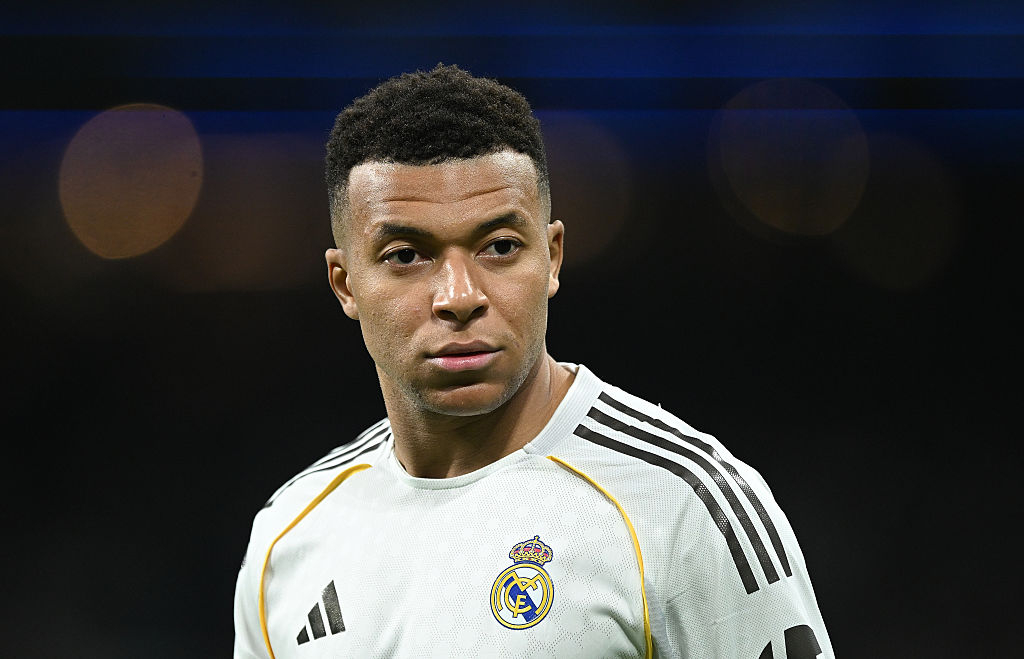
Paris Saint-Germain (PSG) has been one of the hottest topics in world football in recent years. Since the arrival of the team's star player, Kylian Mbappe, in 2017, the club has witnessed frequent managerial changes, drawing significant attention. Some speculate that Mbappe's powerful influence might be affecting managerial sackings. However, analyzing the tactical perspective and the club's overall operational system reveals that this issue is driven by complex factors beyond just one player.
Reviewing the managers who have led PSG since Mbappe joined in 2017, it becomes apparent that their turnover rate is quite high. From Unai Emery to Thomas Tuchel, Mauricio Pochettino, Christophe Galtier, and now Luis Enrique, several notable managers have come and gone in just a few years. Statistics show that the average tenure of managers working with Mbappe is just about one and a half years. This is a very short period compared to other European big clubs and is a clear indicator of the instability in the club's management.
The most noteworthy aspect of this situation is that it is difficult to conclude that these frequent managerial changes are simply due to Mbappe's influence. More likely, the club's high expectations, particularly their relentless ambition to win the UEFA Champions League (UCL), acted as the greatest pressure. Despite the massive financial input from Qatar Sports Investments (QSI) elevating the team's status, the thirst for UCL success grew stronger, placing enormous performance pressures on the managers. Domestic league victories were taken for granted, while early UCL exits often led to managerial dismissals.
Furthermore, the complex dynamics and conflicts within the club's management likely had a significant impact on managerial changes. When differences arose between the sports director, president, and high-ranking officials over tactical visions or squad management, these issues often landed back on the manager. It was an environment where a consistent tactical philosophy or long-term projects struggled to take root, making stable team management difficult. For instance, disagreements over player positioning or acquisitions between the manager and management could easily disrupt tactical direction amid these internal conflicts.
Changes in managerial tactics have been interesting. With each new manager, the team's tactical identity shifted significantly. Tuchel's era was marked by organic pressure and quick transitions, Pochettino's time by possession-based play, and Galtier's by a three-back system. Each manager tried to instill their football philosophy, but the short tenure deprived them of enough time to fully integrate their tactics into the squad. This burdened the players with continuously adapting to tactical changes, hindering the team's cohesion and tactical completeness. Optimizing a playing style became challenging.
Analyzing the recent form, Luis Enrique is also striving for team stability but continues to face the high pressure of managing both the league and the Champions League. While having a world-class player like Mbappe at the team's core is clear, it is premature to view his performances or decisions as the direct cause of all managerial changes. Rather, the team management style centered around superstars, the various interests arising in the process, and especially the club's impatience for winning the 'big ears' trophy have collectively contributed to the current 'managerial carousel.'
In conclusion, PSG's frequent managerial changes can be attributed to the structural issues of club management and excessive success-oriented mentality beyond the influence of a single player. While the tactical ability of managers and their communication with the squad are important, providing a stable vision and consistent support at the club level is crucial for long-term success, as clearly demonstrated by PSG's case. It will be interesting to see how PSG addresses these challenges and establishes itself as a true European powerhouse.
@FootballNews @KylianMbappe @PSG @ParisSaintGermain @Ligue1