The 2026 AFC U-23 Asian Cup semifinal fixtures have been announced, marking an unprecedented shift in the landscape of Asian football. The standout feature of this tournament is that Korea, Japan, and China, the football powerhouses of East Asia, have all reached the semifinals for the first time in history. Joining them is Vietnam from Southeast Asia, ensuring that the trophy will go to a team from either East or Southeast Asia. It's the first time no team from West Asia (Middle East) or Central Asia has made it to the semifinals, clearly indicating a shift in the power balance within Asian football.
The results of this tournament transcend mere wins and losses, reflecting deeper tactical and structural significance. The collective failure of Middle Eastern teams, who have long been one of the pillars of Asian football, suggests a need for profound introspection concerning their youth development systems and tactical approaches. In contrast, East Asian teams have showcased their prowess through more refined and modern tactical and organizational strengths.
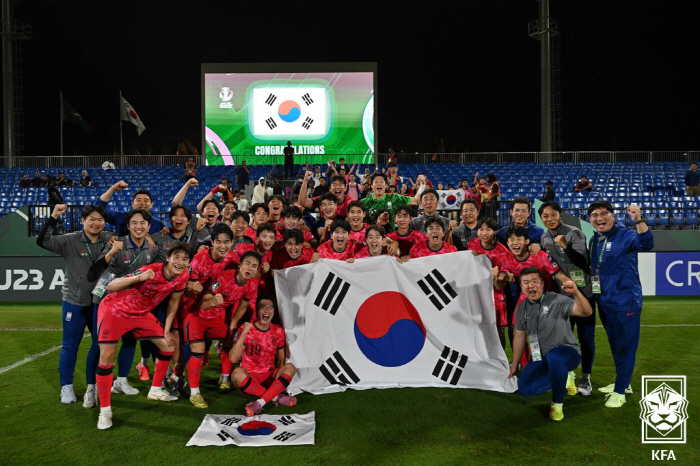
Analyzing the path each team took to the semifinals reveals their strengths and characteristics more clearly. Korea progressed after a hard-fought 2-1 victory over Australia. The decisive goal by Shin Min-ha was a symbolic demonstration of the Korean team's focus and decisiveness. Through this match, Korea displayed threatening counterattacks and set pieces, relying on a solid defensive organization. Furthermore, the team exhibited resilience by overturning difficult situations, showcasing the players' mental toughness and the coach's crisis management abilities.
Japan advanced after edging out Jordan in a penalty shootout after extra time. This result highlighted Japan's characteristic composure, organized defense, and strong mentality in crucial moments. While their scoring might have been slightly underwhelming, their tenacity in not easily surrendering the match will be a significant weapon in the semifinals. Their notable tactical patience, effectively stalling the opponent's offensive and waiting for their own opportunities, stood out.
Vietnam became the surprise package by defeating the UAE 3-2 in an intense match that went into extra time. Rising as a football powerhouse in Southeast Asia, Vietnam applies tactics that rely on high activity levels and rapid transitions between offense and defense to pressure their opponents. Their persistent fighting spirit and scoring ability demonstrated in this match prove that their semifinal entry was earned through merit rather than luck. In particular, their offensive transitions and use of the flanks are considered valuable tactical assets.
The most surprising success came from China, who achieved a remarkable first-ever entry into the semifinals of the U-23 Asian Cup, winning on penalties against Uzbekistan after a 0-0 draw. This can be viewed as a positive sign of China's youth system and investment paying off. Throughout this tournament, China proved to be a tournament powerhouse through their strong defensive organization and pragmatic game management. Their advancement holds significance beyond just the result, serving as a fresh surprise for Asian football as a whole.
The much-anticipated semifinals are now condensed into two matches. The first match is Korea versus Japan on January 20 at 8:30 PM (KST). This match, involving two long-standing rivals and traditional powerhouses, is set to be the highlight of the tournament. Korea will look to lead the game with the destructive power of their attack led by Shin Min-ha and their solid midfield battle. In contrast, Japan is expected to utilize their characteristic meticulous buildup and organized defense to thwart Korea's attacks while exploiting any gaps. The tactical battle between the coaches will also be a key viewing point of this match. Midfield dominance and the effectiveness of flank attacks will be crucial to determining the outcome.
The second match will see Vietnam and China face off on January 21 at 12:30 AM (KST). Both teams see this as a historic chance to reach the finals. Vietnam will aim to disrupt China's defense with rapid transitions and high work rate, while China will rely on their solid defense to block Vietnam's attacks and seek scoring opportunities through set pieces or counterattacks. The outcome will hinge on who shows more stable game management and decisiveness.
This U-23 Asian Cup is rewriting the script of Asian football. The breakthroughs by East and Southeast Asian teams show that youth development and tactical progress in these regions have reached a significant level. Simultaneously, Middle Eastern football has been tasked with the need for self-reorganization. The upcoming semifinals and finals will witness the crowning of a new champion of Asian football. Regardless of which team emerges victorious, this tournament will be remembered as an important turning point in the future discourse of Asian football.