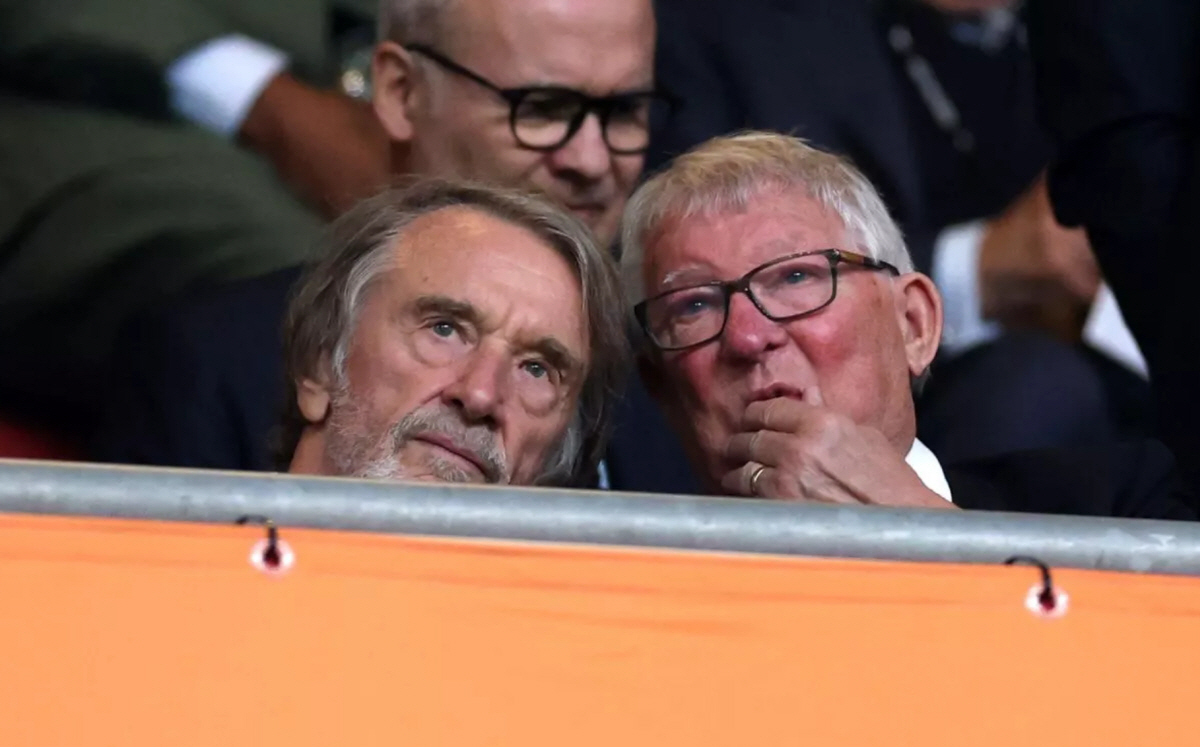
Manchester United (hereafter Man United) has reportedly dismissed manager Ruben Amorim, operating under an interim staff model, signaling winds of change blowing through Old Trafford. The club's focus has now shifted toward finding a successor, with major names like Thomas Tuchel, Carlo Ancelotti, and Mauricio Pochettino emerging as leading candidates, capturing the attention of football fans. Notably, this managerial search process stands out because Sir Jim Ratcliffe's INEOS Group reportedly will not seek the advice of the club's legendary manager, Sir Alex Ferguson. This suggests significant shifts in Man United's decision-making process, indicating a potential philosophical change beyond a mere managerial swap.
This decision appears as more than a managerial change; it is interpreted as Man United's strong desire to break away from its long struggles under Sir Ferguson's colossal legacy. From a tactical perspective, recent seasons have seen Man United seemingly lose its identity due to the lack of a clear philosophy and frequent managerial changes. The shift to an interim model following Amorim's dismissal suggests that the INEOS Group intends to find a suitable long-term candidate methodically rather than hastily appointing a new manager. The team currently faces complex issues, including tactical disarray and declining team morale, challenges the new manager must address and overcome to revitalize the team.
The three managerial candidates—Thomas Tuchel, Carlo Ancelotti, and Mauricio Pochettino—each bring distinct tactical approaches and leadership styles to the table. Firstly, Thomas Tuchel is known for his emphasis on stringent tactical discipline and detailed build-up play. He has proven his capability to successfully lead a major club, having won the Champions League with Chelsea. Should he join Man United, expectations are high for him to restore balance to the team with a solid defense and efficient attack transitions. However, the potential synergy between his strong personality and the Man United squad remains uncertain.
Next, Carlo Ancelotti is noted for his flexible tactical management and excellent rapport with players. His multiple Champions League victories with Real Madrid have earned him the moniker 'Champions League specialist'. He is highly regarded for his ability to maximize individual player strengths and foster a cohesive team atmosphere. He might be the ideal figure to effectively manage Man United's star players and instill a winning mentality. However, how quickly he can absorb and apply the latest tactical trends in modern football will need to be seen.
Lastly, Mauricio Pochettino excels at high-pressure football and youth development. The intense pressing and dynamic play he showcased during his time at Tottenham Hotspur could greatly excite Man United fans. His proficiency in discovering and nurturing young talents could positively impact Man United's long-term vision. However, concerns may arise due to his lack of experience in winning major trophies with big clubs.
This managerial appointment marks a critical decision led by Sir Jim Ratcliffe as INEOS Group takes comprehensive control over Man United's football operations. Excluding Sir Ferguson underscores the club's intention to break free from past glories and embrace a new era. This shift signifies more than just a managerial change; it is a pivotal point that could fundamentally alter the club's management style and philosophy. By choosing a manager who aligns with their vision and criteria, rather than relying on Sir Ferguson's renown, INEOS Group reveals its commitment to rebuilding Man United. Observers keenly await which managerial style and leadership Man United will ultimately opt for, and how that decision will shape the club's future.
@FootballNews @ManchesterUnited @ThomasTuchel @CarloAncelotti @MauricioPochettino @JimRatcliffe @INEOS