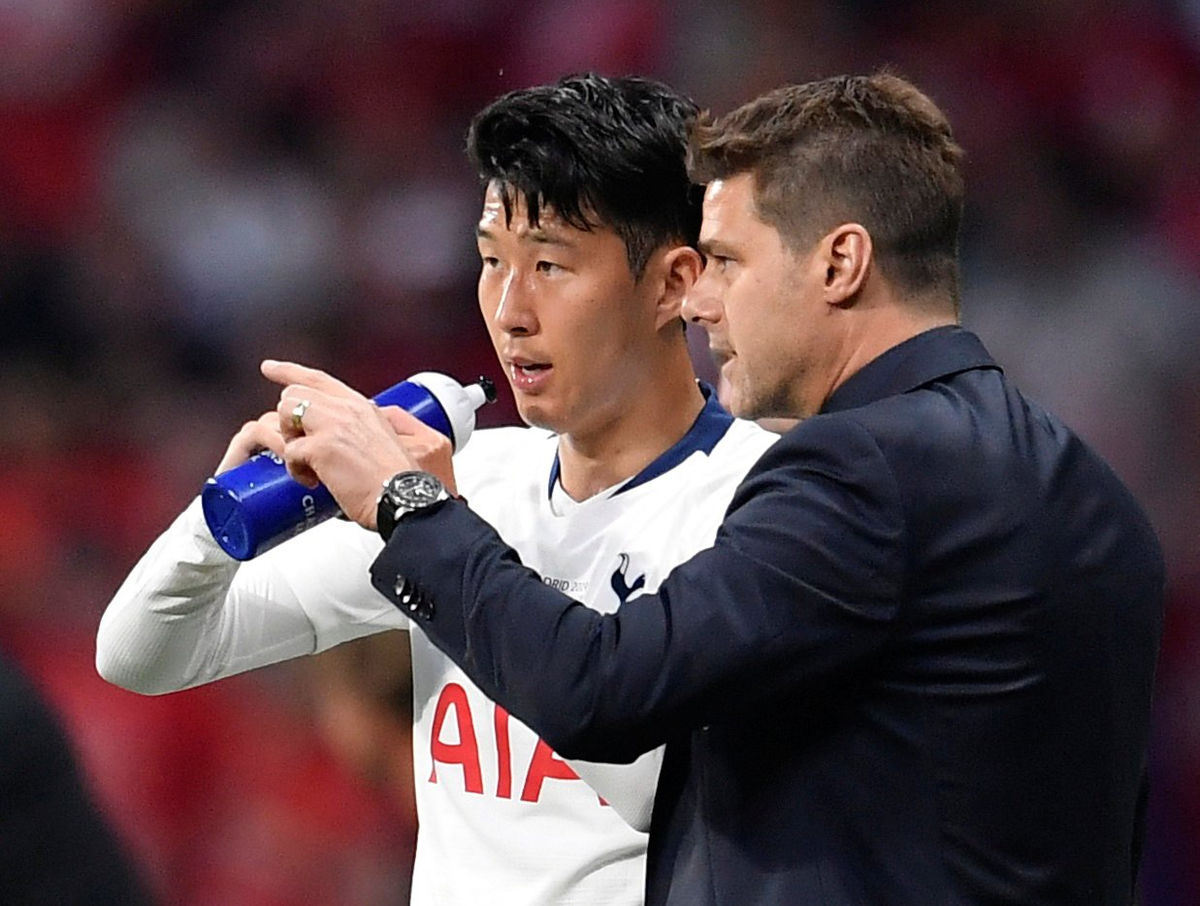
The football world is abuzz with speculation about Mauricio Pochettino potentially returning to manage Tottenham Hotspur. Once guiding the team to the Champions League final and establishing a tactical style known as 'Pochettino Ball,' reports of him potentially taking the helm once again are stirring nostalgia among fans and kindling new expectations. Beyond mere rumors, this deep-dive analysis explores what his return could mean tactically and the broader impact on Tottenham.
From 2014 to 2019, Pochettino led Tottenham through a golden era. During his tenure, the team played an aggressive 4-2-3-1 or 4-3-3 formation characterized by high pressing and fluid positional interchange. He earned the reputation of a 'developmental manager' by transforming young talents like Dele Alli, Eric Dier, Harry Kane, and Son Heung-min into world-class players. Players moved continuously, creating spaces and overwhelming opponents with rapid transitions and cohesive passing play. Under his guidance, Son Heung-min transitioned into a truly world-class forward in Europe, with his movement from the flanks to the center and finishing skills optimized under Pochettino’s tactics.
Should Pochettino return, what would be the tactical synergy with Tottenham's current squad? Known for emphasizing stamina and aggression, his style typically raises the defensive line to adopt an attacking approach. Tottenham currently boasts attacking resources like Son Heung-min, James Maddison, and Dejan Kulusevski, skilled in counterattacking and technically proficient, who would fit well in Pochettino's swift attacking transition strategies. Maddison's creative passing and Son’s penetration would play pivotal roles under his system. On the defensive front, players like Cristian Romero, known for their tenacity, would complement his pressing style.
Challenges, however, are clear. Pochettino's tactics demand tremendous physical exertion, necessitating the current squad’s readiness and rigorous training. Given the high defensive line, covering the back space and quick defensive transitions will be critical, pointing to current weaknesses in Tottenham’s setup. During his previous tenure, despite reaching the Champions League final, inconsistent league defense was a significant drawback. Effective interception and link-up from midfield to attack will be crucial, emphasizing the contribution of midfielders.
If his return becomes a reality, Tottenham could experience a bold transitional moment, possibly reclaiming past glory. However, instead of merely replicating past tactics, a detailed analysis of modern football trends and current squad strengths and weaknesses is essential to craft a new 'Pochettino Tactics 2.0.' While maintaining his hallmark of pressure and fluid movement, the approach must evolve to include more flexible game management and crisis handling. Smart reinforcement in the transfer market, particularly in central midfield and full-backs, which play critical roles in his tactics, is also likely.
In conclusion, Pochettino's potential return to Tottenham transcends mere rumor, raising profound considerations about the team's future tactical direction. Whether his return will offer a tactical solution for leading Tottenham into a new era beyond mere nostalgia captures the keen interest of football fans. This potential return for Tottenham and Pochettino is not just a matter of managerial appointment but a pivotal decision that could define the club’s identity and future.
@Tottenham @Pochettino @SonHeungMin @PremierLeague @FootballNews