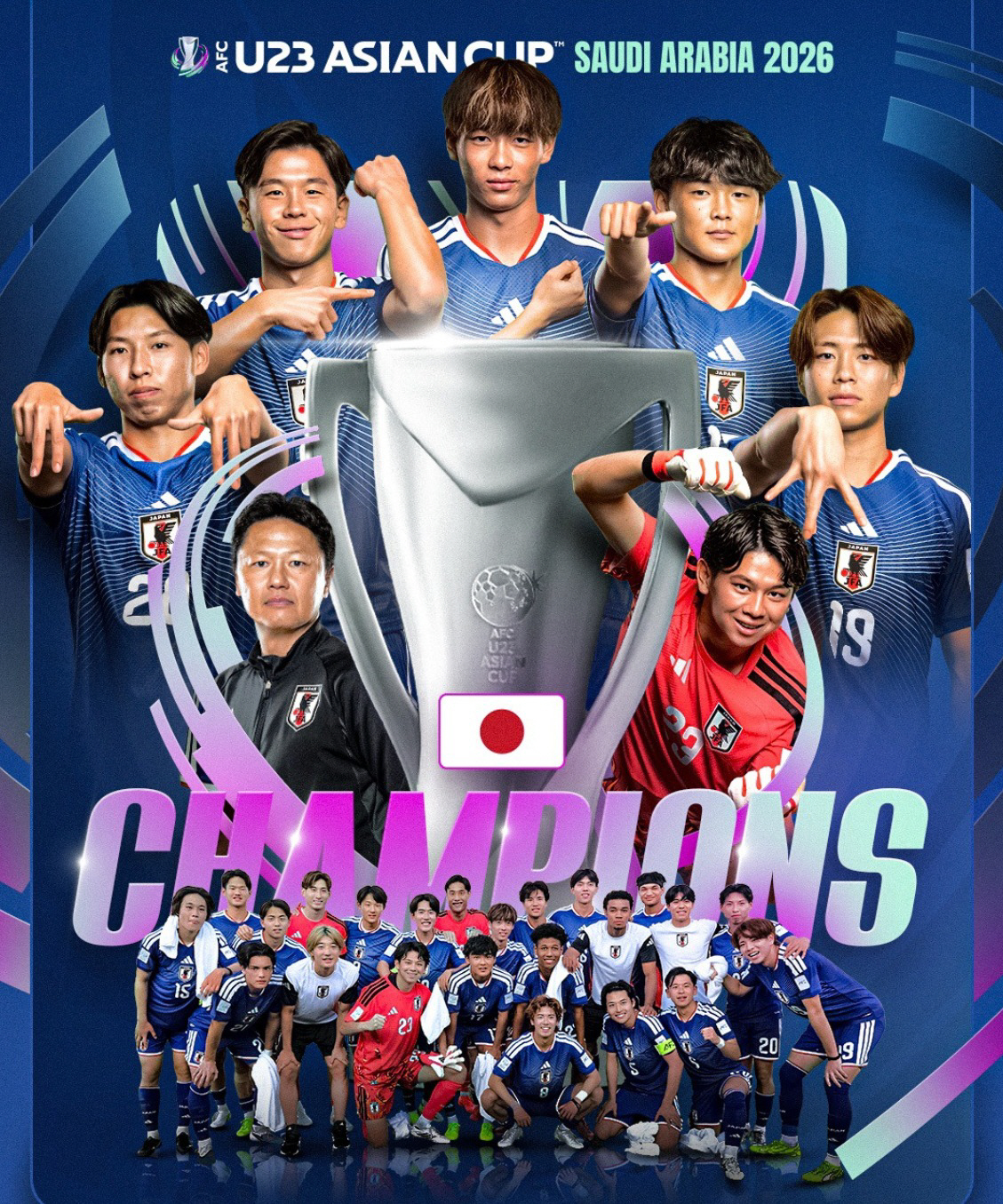
Recently, the term "Ultimately Japan Wins," which has been circulating in Asian football circles, has gone from being a mere jest to a reflection of reality. This phrase, capturing Japan's overwhelming dominance in Asian football dynamics, might sound bitter to Korean football fans, but it's time to acknowledge the current situation with a cold analysis.
In the recent tournament, Korea's U-23 national team under coach Lee Min-sung was described as mere "spectators," further exposing the stark reality. Beyond poor results, the team's disappointing performance and tactical shortcomings were evident. From a tactical perspective, there was a clear lack of thorough analysis of opponents and flexibility in responses. While individual players boasted high technical skills, the failure to unify them under a clear tactical direction stood out as a major issue. The attacking plays were monotonous, the defensive structure was unstable, and crucial errors were repeatedly made during significant moments of the matches.
On the other hand, Japanese football fosters players within a firm philosophy and system. From youth teams to the senior national team, their consistent tactical approach and long-term objectives are truly impressive. They do not merely chase victories; instead, they establish their own football style, promoting player development and team evolution. This approach plays a decisive role in elevating not only individual skills but also the team's overall cohesion and tactical comprehension. Their match management reflects calmness and experience, with remarkable ability to deliver decisive blows in critical moments.
The struggles of Lee Min-sung's squad are not just issues of the coach or individual players, but rather highlight structural deficiencies in Korean football as a whole. The call for massive structural changes in Korean football is growing louder. This issue is not limited to the U-23 national team. Firstly, there is a crucial need for a reform of coaching philosophy. By moving beyond methods tied to past successes, we must integrate advanced coaching methodologies that reflect modern football trends and dynamics. Furthermore, constructing a coherent tactical education system through organic collaboration among age-group coaching staff is essential.
Additionally, an urgent comprehensive review of the player selection system is necessary. Evaluation standards must extend beyond mere individual performance or success in specific leagues to include understanding of team tactics, positioning skills, and potential. The data-driven player analysis and active application of sports science must become imperative. Scientific approaches for managing player fitness, preventing injuries, and maintaining optimal conditions are needed.
Lastly, in-depth reflection on the tactical philosophy of Korean football is required. We must present a clear blueprint for what kind of football we aspire to and how we will develop our players accordingly. Beyond merely fast and strong football, building a team equipped with various tactical options and flexible game management skills is crucial. This requires long-term vision, consistent investment, and courage to embrace change without fear. Recognizing the weaknesses revealed in this tournament, we must use this as an opportunity to lay the groundwork for the next leap forward for Korean football. To achieve substantial growth from this painful failure, all football stakeholders and fans need to come together to combine wisdom and guide the way forward.
@FootballNews @KoreanFootball @JapanFootball @U23NationalTeam @LeeMinSung