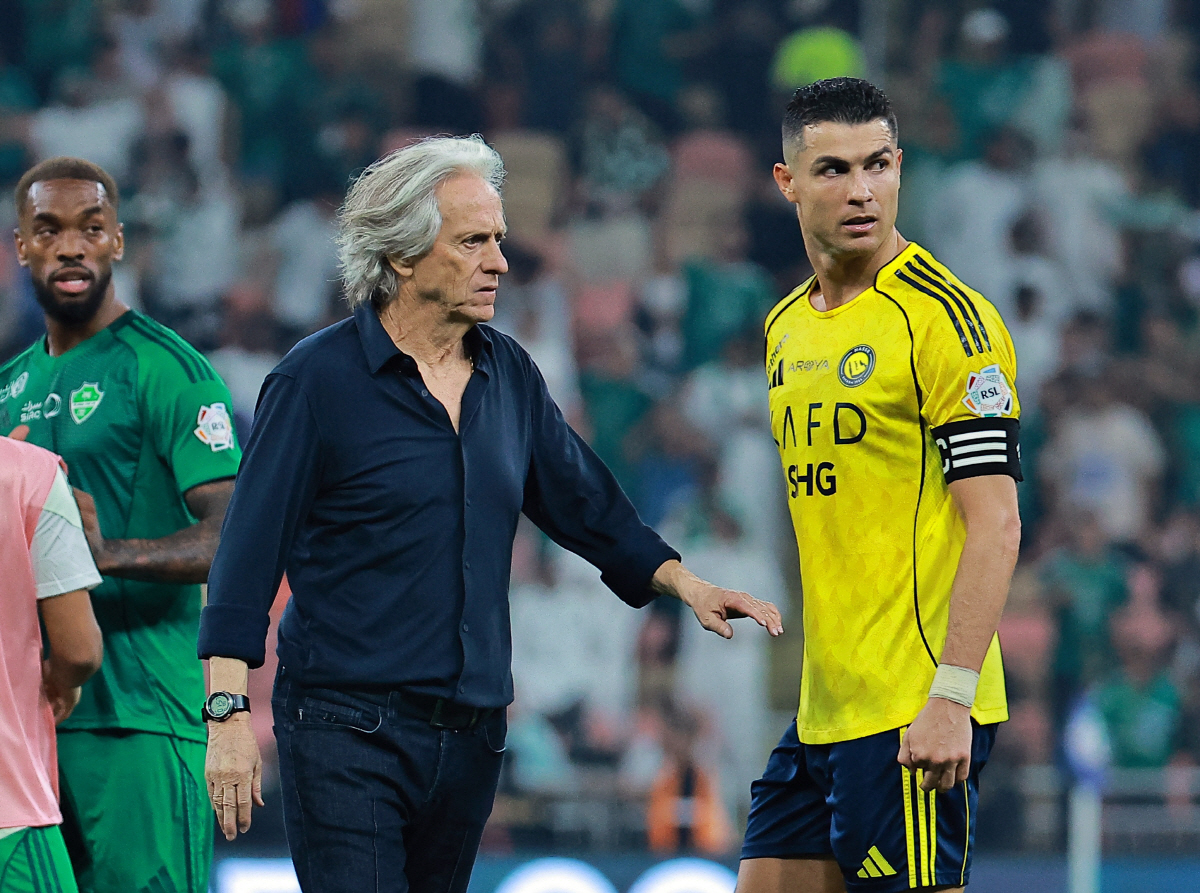
Football fans, the recent turmoil within Al Nassr in the Saudi Pro League goes beyond mere transfer rumors. Despite Al Nassr's 1-0 victory against Al Riyadh on February 2nd, 2026, Cristiano Ronaldo's shocking refusal to play has been reported. This isn’t simple discontent but a pivotal event that could profoundly impact the club's tactical operations and future.
From a tactical perspective, Ronaldo's refusal is deeply rooted in suspicions of Saudi Public Investment Fund's (PIF) favoritism towards Al Hilal. Ronaldo’s camp claims that Al Nassr faces discrimination compared to Al Hilal regarding transfer market investments and club management rights. This issue directly ties to the team's efforts to strengthen its roster, and if Al Nassr doesn't receive sufficient investment, it will inevitably struggle to enhance its squad depth over time. This limits the tactical diversity and flexibility pursued by coach Jorge Jesus and could lead to an increased dependence on specific players. Even a team with top-tier talent must maintain appropriate rotation and new tactical options to handle the grueling schedule of league and cup competitions.
More concerning is that coach Jorge Jesus has sided with Ronaldo, refusing to attend a press conference, which is a severe violation of Saudi Pro League regulations and could result in fines. For a coach to support a player in such a way indicates that the internal conflict has grown into a strong alliance between coach and player, going beyond individual grievances. Such a situation can have detrimental effects on the team’s tactical consistency and the morale of the entire squad. If a coach is distracted by external issues, failing to focus on tactical planning and squad management, there is a significant risk that the team's cohesion on the field will quickly unravel. Players may become confused following the coach’s directives, and team cohesion may suffer, making it challenging to achieve desired results despite having skilled individuals.
The Saudi Pro League has issued a stern warning stating that no individual can override the decisions of a club or the league. This asserts that Saudi football operates under a structured system rather than merely being a playground for star players. However, the league must effectively manage star players' grievances to avoid negative impacts on the league’s public image and popularity. Especially the departure of global superstars like Ronaldo could directly impact the league’s viewership ratings and sponsorships.
Some media speculate that if the situation worsens, Ronaldo might request a transfer in June. Should Ronaldo indeed leave, Al Nassr will need to undergo a comprehensive tactical overhaul to fill his absence. Since the team’s offensive strategies revolve around Ronaldo, his departure would demand a reevaluation of their offensive tactics along with adjustments to the positionings and roles of existing players. Changes in the involvement of wing forwards and midfielders in attacks, set-piece strategies, and other aspects of offensive play will be unavoidable.
This incident exemplifies not merely a clash between a player and a club but highlights systemic issues within the Saudi Pro League, the influence of significant capital, and the dilemmas faced by players and coaches within it. The way Al Nassr, Ronaldo, and the Saudi Pro League navigate this crisis will be closely watched. These internal conflicts must be resolved swiftly to ensure the tactical depth and growth potential of the league.
@CristianoRonaldo @AlNassr @SaudiProLeague @JorgeJesus @TransferMarket @FootballTactics