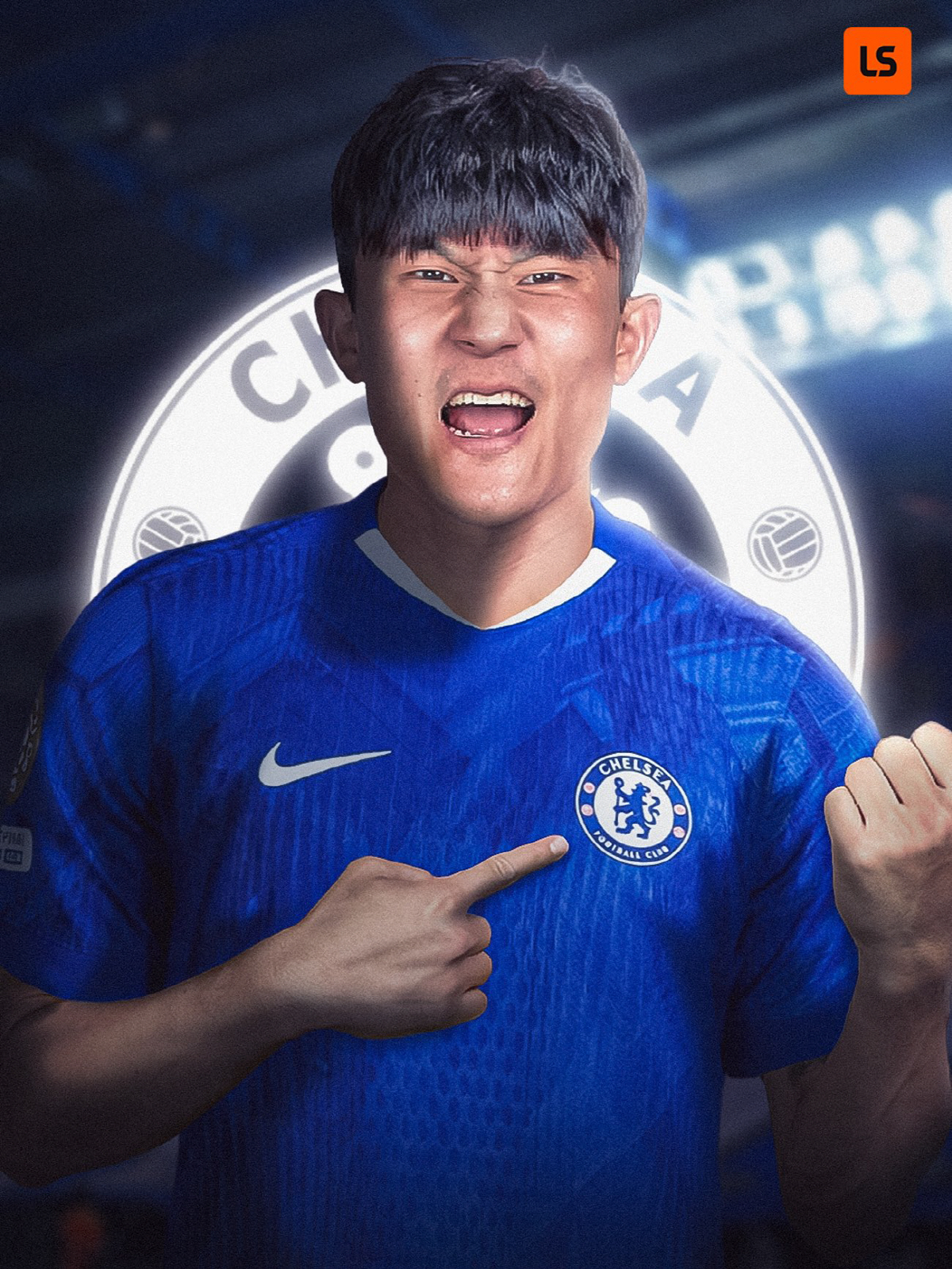
Recently, discussions among football fans have centered around Kim Min-jae, the core defender of Bayern Munich. There is particularly heightened interest in his playing time and position within the team. From a rational tactical viewpoint, we delve deeply into Kim Min-jae's current situation, Bayern Munich's defensive strategy, and his potential future role.
At the world-renowned club Bayern Munich, competing for a starting role is a given. Any player who fails to demonstrate top-notch skills struggles to survive. Although Kim entered the major leagues with a dominant performance at Napoli last season, his second season at Bayern Munich forecasts even fiercer competition. With a deep defense lineup and a variety of tactical choices for the manager, every player must prove their worth.
Considering Kim Min-jae's playing style, he excels in aggressive defense based on overwhelming physicality and speed. His one-on-one defense ability is impressive, and he is adept at blocking the opposition's build-up thanks to his wide coverage range. Also, he can serve as a starting point in attack with bold and precise passes during build-up play, embodying the modern center-back. These strengths perfectly align with Bayern Munich's high line and attacking tactics.
However, in a top-level team, the tactical balance of the entire team matters as much as a player's strengths. Coaches meticulously select the ideal defensive combination based on the opposing team's strengths and weaknesses and the varying strategic goals of each match. Against a team with fast attackers adept at penetrating behind the defense, a player like Kim Min-jae can be effective. However, if the opponent favors aerial crosses or excels in set pieces, a center-back better in aerial duels might be preferred. This is not solely an issue of individual skill, but a logical decision by the manager to ensure tactical flexibility and diversity.
Stats reveal that Bayern Munich's defense record has generally been stable in matches where Kim Min-jae played. Nonetheless, players can experience conditioning declines or minor injuries, which quickly affect performance. From a managerial perspective, managing the entire season involves player rotation to conserve energy and prevent injuries. In big clubs competing in both European tournaments and the league, even key players can't always play full-time in every match.
There has been some speculation about Kim Min-jae's influence within the team. However, understanding locker room dynamics or squad intricacies from the outside is challenging. What's crucial is for the player to consistently display skill during the opportunities given. If a particular player receives more playing time, it likely reflects a manager's judgment based on tactical fit, recent form, or performance during training.
Analyses of Kim Min-jae's future role ultimately hinge on how he reestablishes his value and integrates into the manager's tactical puzzle. He has repeatedly proven himself to be among the world's elite defenders. The key is his acceptance of the current competitive scenario and his mindset towards training and matches. Such competition can drive a player to enhance their abilities further. By focusing and motivating himself, emphasizing his strengths, and demonstrating tactical flexibility, Kim Min-jae can still secure his place as a pivotal defender at Bayern Munich.
In conclusion, the ongoing situation surrounding Kim Min-jae can reasonably be viewed as a part of the intense competition for starting positions and tactical management at a big club. While his excellent skills are undeniable, what remains most important is respecting team tactics and the manager's decisions while fulfilling his role. We hope that Kim Min-jae uses this situation as a stepping stone towards becoming an even more robust defender.
@KimMinJae @BayernMunich @Bundesliga @TacticalAnalysis @FootballNews