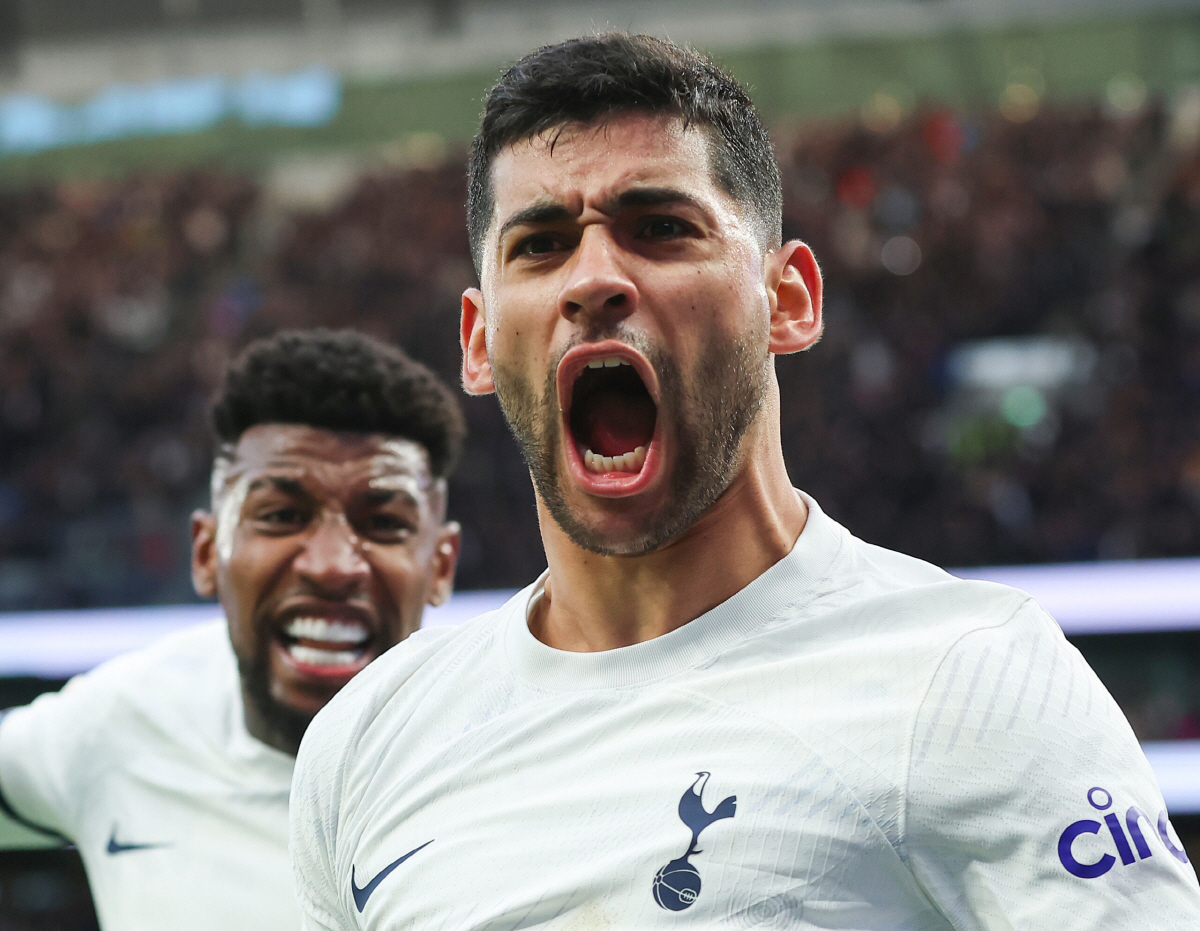
Tottenham Hotspur's captain, Cristian Romero, has recently unleashed a fierce public criticism toward the club's board, describing their actions as "unbelievably shameful." This statement does more than just voice a simple complaint; it reveals significant internal strife and discontent within the team, causing substantial shock among football fans and experts alike. A captain openly criticizing is a rare move and raises fundamental questions about the club's transparency and direction.
From a tactical perspective, a captain's public show of discontent can directly impact team performance. As a key figure in defense and a pillar of the team, Romero's statements could negatively affect the locker room atmosphere and the overall morale of the squad. If players lose trust in the club, it could lead to diminished focus on the pitch, disjointed team organization, and ultimately a decline in tactical execution. Particularly under Manager Postecoglou's strategy that emphasizes aggressive build-up play, relying on strong bonds and mutual trust among players, such internal conflict could severely compromise the tactical integrity of the team.
What stands out in this situation is how Romero's candid criticism starkly contrasts with the leadership style of another captain, Son Heung-min. Generally, Son has exemplified patient leadership by quietly setting examples on the field and offering unwavering support instead of voicing personal grievances during tough times. In contrast, Romero has addressed his dissatisfaction with a direct and fearless approach. This suggests the coexistence of diverse leadership styles within the Tottenham locker room and indicates significant dissent among the team regarding club management. Although diverse leadership can temporarily hinder team cohesion, it may also provide a chance to express and resolve the underlying issues from multiple perspectives in the long run.
Statistical evidence might be hard to quote directly, but historical cases show that morale deeply affects critical factors like win rates or goal-scoring ability. A captain's public statement may instill distrust among fans, potentially influencing home game atmosphere and support for players, further risking performance decline. Romero's intense remarks about feeling "shameful" likely reflect deep-rooted dissatisfaction linked to transfer policies, squad management, or the team's long-term vision. The timing, just ahead of the summer transfer window and critical decisions on squad reinforcement and contract renewals, makes these claims even more significant.
This situation presents Tottenham's board with a considerable challenge. Dismissing the captain's criticism as mere personal gripe is unwise because it might reflect the views of the entire squad. The board must clearly respond to Romero's remarks and earnestly address the highlighted issues to find viable solutions. If internal conflicts remain unresolved, this could lead to demotivation in upcoming seasons and possibly the departure of key players. The apparent dissatisfaction with squad strengthening or the club's lack of ambition might be pushing the players' patience to its limits.
In conclusion, Romero’s statement plainly indicates that Tottenham Hotspur is facing critical internal issues beyond mere performance problems. The captain's public criticism demands a fundamental re-examination of the club's future strategy, leadership, and communication approach with the squad. How the Tottenham board responds, balancing the contrasting leadership styles of Son Heung-min and Cristian Romero, and whether they can wisely guide the team back to stability, remains to be seen. Fans will watch closely, hopeful about how their beloved team can navigate this challenge and emerge stronger.
@Tottenham @CristianRomero @SonHeungMin @PremierLeague @FootballNews