On January 29, 2026, a seismic shift occurred in Chinese football as the Chinese Football Association (CFA), in partnership with the National Sports Administration and Public Security Bureau, announced comprehensive sanctions to eradicate match-fixing, gambling, and corruption. This initiative goes beyond mere internal purification, marking a historical decision that shakes the very foundations of Chinese football.
In this announcement alone, 73 individuals were permanently banned from all football-related activities. Including the 60 permanent bans enacted at the end of 2024, a staggering total of 133 individuals have now been expelled from Chinese football. This large-scale sanction exposes the deep-rooted issues within Chinese football. High-profile figures, such as former national team coach Li Tie and ex-CFA president Chen Xuyuan, who have already faced legal penalties, were included on the list, indicating that this purge has been applied indiscriminately, reaching the upper echelons.
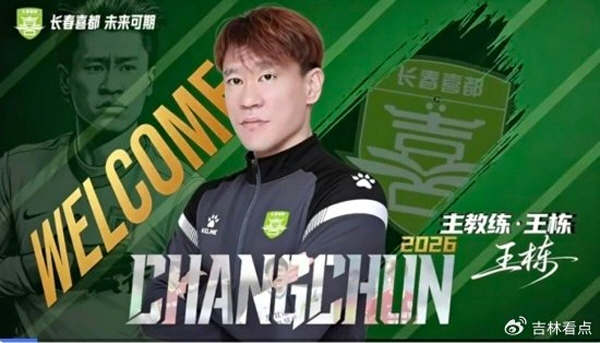
A particularly noteworthy example is the case of Wang Dong, coach of Changchun Yatai. Despite being appointed on January 18, he faced permanent expulsion for match-fixing a mere 11 days later, highlighting the seriousness of these events and the authorities' resolute stance. His swift and ignominious removal, before he could even demonstrate his tactical abilities, underscores both the vast and immediate nature of the sanctions.
Clubs were also not spared from the sweep of this purge. 13 clubs faced points deductions and fines, with major teams in the Chinese Super League like Shanghai Shenhua and Tianjin Jinmen Tigers losing a significant 10 points each. Meanwhile, Shanghai Port and Beijing Guoan were given 5-point deductions. These sanctions indicate that some teams will start the 2026 season with negative points, a stark competitive disadvantage impacting team morale and strategic planning.
Amidst these developments, there is concerning news touching close to home. Son Jun-ho, a South Korean national team midfielder, was included in the CFA's permanent ban list in September 2024. Positively, FIFA reportedly refused or restricted China’s worldwide ban request, suggesting that Son could potentially continue his career in leagues outside of China. This reveals discrepancies between Chinese punishments and the international federation's stance, which might offer Son new opportunities.
From a strategic perspective, this massive purge reflects not just individual transgressions but unveils systemic corruption within the Chinese football system. Match-fixing and corruption, extensively involving senior officials, on-field managers, and players, likely stunted team cohesion and player zeal. Historically, despite heavy investments, China’s international competitiveness remained stagnant, possibly due to these shadowy practices.
This crackdown will undoubtedly unsettle the 2026 Chinese Super League. Points deductions among top teams will add chaos to the league, but in the long run, it is a necessary process to foster a transparent and fair competitive environment. However, the inevitable talent drain and weakened capabilities present immediate challenges, necessitating clubs to rebuild coaching staff and players, posing difficulties in maintaining organizational structure and tactical flexibility.
In conclusion, Chinese football is navigating a formidable trial. This purge is set to become the most forceful, broad-based self-discipline effort in its history. Although short-term turmoil and struggles are expected, if these initiatives lay the foundation for a healthier football ecosystem, the sport could emerge into the light from a long, dark tunnel. Football fans eagerly await how Chinese football will overcome this crisis and forge its future path.