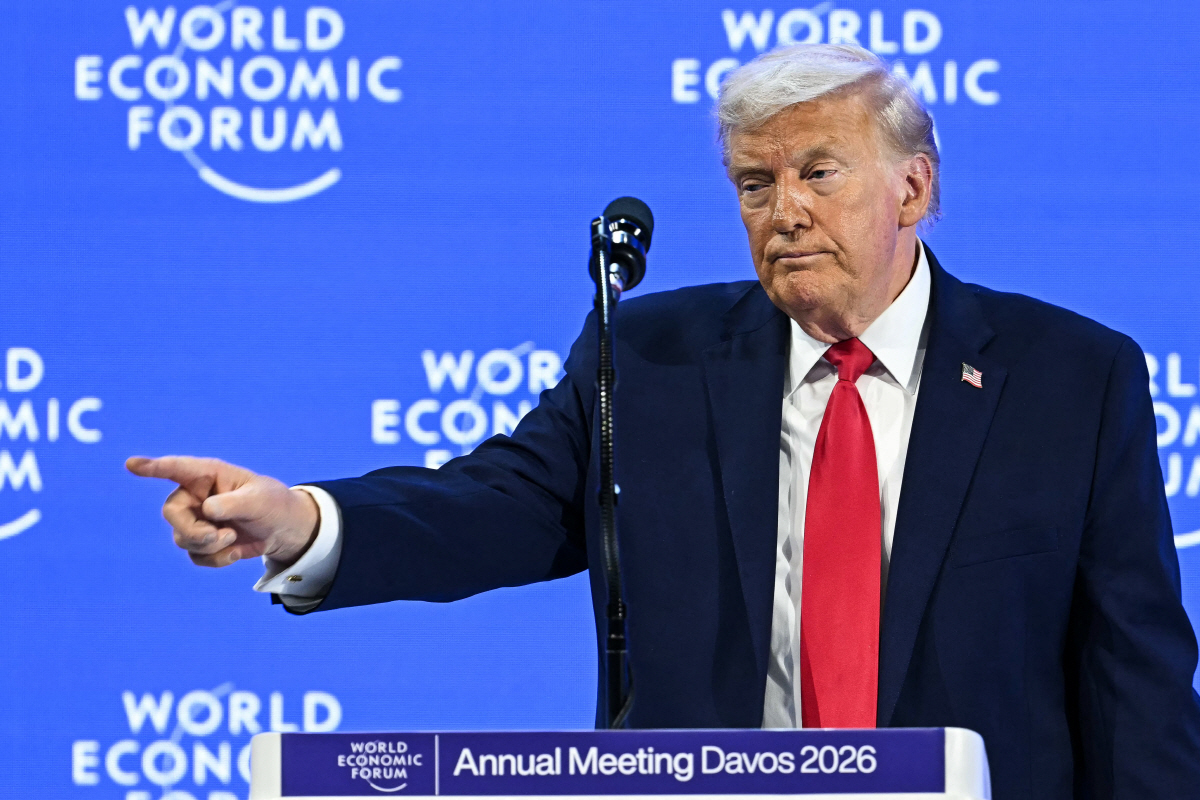
Recently, a wave of shock and concern swept through global football fans with the news that a German politician proposed a radical idea: to boycott the upcoming North American World Cup if former U.S. President Donald Trump insists on purchasing Greenland. This suggestion is being seen as a significant issue that could shake the foundations of the World Cup, the biggest celebration in sports. In my capacity as a renowned football analyst, I aim to delve into and explore the implications of this incident on international football and its significance.
This proposal can be viewed as a direct challenge to the long-standing principle of separating sports and politics. The World Cup has always been seen as a platform of unity, transcending race, nationality, and ideology. However, the mention of a boycott fueled by a country's political interests poses a severe threat to the purity and fairness of football. Particularly, given Germany's status as a dominant force in global football and its rich World Cup history, their boycott holds significant symbolic and actual repercussions.
From a strategic standpoint, a German boycott could influence every aspect of the 2026 World Cup, from the tournament bracket arrangement and attendance to the authority of the International Federation of Association Football (FIFA). Germany is consistently listed as a contender for victory, and their matches draw tremendous viewership and sponsorship value. Should Germany withdraw, not only would the competition's vitality diminish, but it could also result in significant economic repercussions, including reduced broadcasting revenues and sponsor withdrawals. This scenario could severely compromise the World Cup's value as a global brand.
Moreover, this situation raises fundamental questions regarding the international football order and FIFA's role. FIFA has always advocated for world peace and unity through sports, but what stance it will take when faced with political pressure from its member nations remains uncertain. There have been instances of boycotts during the Olympics for political reasons, but such a strong boycott proposal in the world’s sports festival, the World Cup, is rare. This suggests the need for FIFA to develop a new strategy on how to respond to geopolitical challenges.
If this situation persists, it could significantly impact football players. Playing in the World Cup is the dream and honor of all athletes. If this opportunity is taken away by political logic, it could deal a fatal blow to players’ morale and motivation. Also, the absence of German players means football fans would miss the chance to witness the skills of the world’s best players on the World Cup stage.
A key point of attention in this issue is the complex relationship with the United States. The 2026 World Cup is to be co-hosted by the United States, Canada, and Mexico. Germany's boycott proposal risks extending diplomatic conflicts with one of the host nations, the U.S., into the domain of sports. This incident may set a dangerous precedent, suggesting that similar boycott attempts could be repeated whenever political issues arise at international sports events in the future.
Ultimately, the proposal by the German politician to boycott the World Cup is a serious issue that cannot be dismissed as merely incidental. It serves as a reminder of the heavy responsibilities FIFA and each national football association bear in preserving the sport's integrity and independence against political pressure. As football transcends being a mere game to possess cultural and social influence worldwide, FIFA must wisely and decisively address these political winds to protect the World Cup's fundamental meaning.
@FIFA @WorldCup @GermanyFootball @InternationalFootball