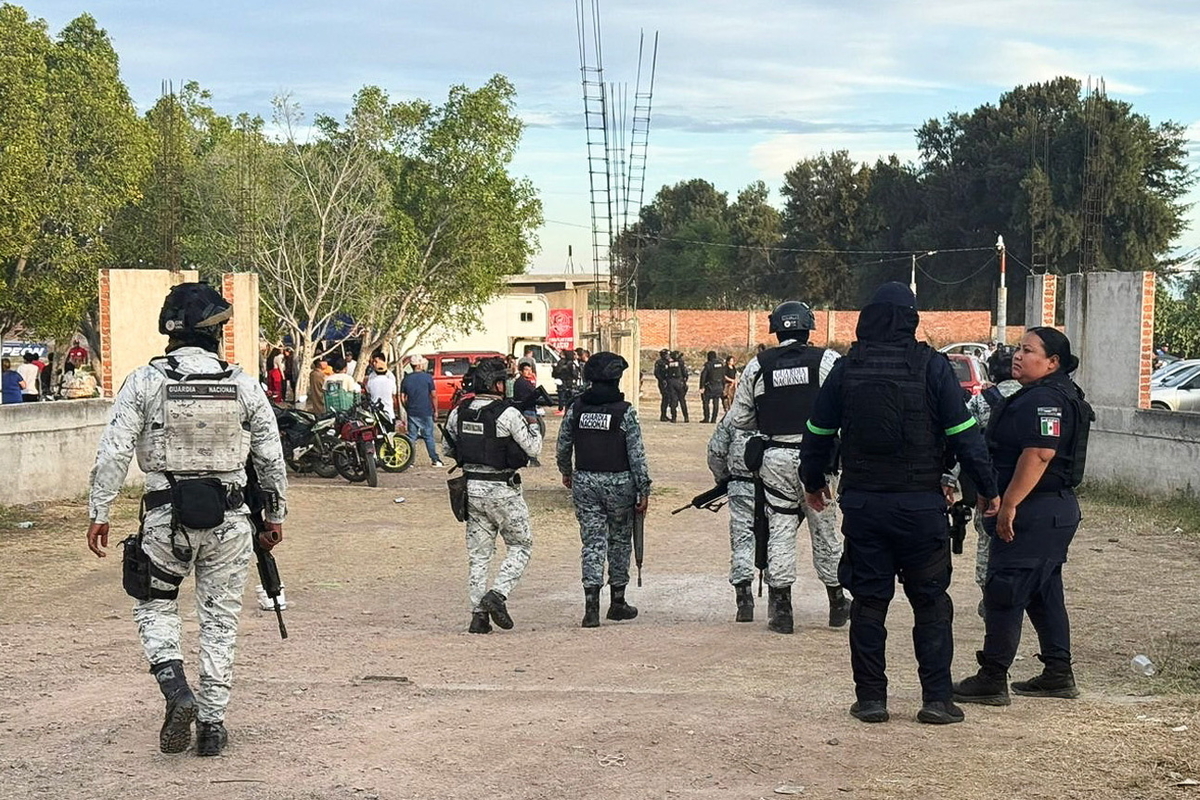
The recent tragic incident in Salamanca, Guanajuato, Mexico has shocked football fans worldwide. On January 25th, a shooting erupted during a local community football match, resulting in a catastrophe that claimed 11 lives and injured 12 others. This development has sparked serious concerns about the safety situation in Mexico, which is set to co-host the upcoming 2026 FIFA World Cup.
Salamanca is located in Guanajuato, which is known as one of the most unstable regions in Mexico due to organized crime and violence. The large-scale casualties from this incident heighten the alertness over safety issues as the World Cup approaches. Ensuring the safety of participating teams and fans is paramount for the successful staging of an international sports event.
However, a tactical analysis of the incident suggests that we should focus more on accurate information and the authorities' response efforts, rather than excessive fear. Firstly, it is crucial to note that Salamanca is not a host city for the 2026 World Cup. Mexico's designated host cities are Mexico City, Guadalajara, and Monterrey. These cities are geographically distant from Salamanca and will see special security protocols implemented during the World Cup.
FIFA and the Mexican government have been developing a comprehensive security and surveillance plan for the World Cup for several years. Extensive security measures are being prepared across the main stadiums, fan zones, airports, and the routes utilized by teams and fans. It is anticipated that these security measures will include a widespread monitoring system and joint operational framework, and specialized security protocols are planned for the participating teams and official delegations.
The Salamanca incident is an unfortunate accident that occurred during a local community match, fundamentally differing from the security level applicable to international mega-events like the World Cup. Despite the recent bout of violence, authorities suggest that national teams need not overly worry about the feasibility of hosting matches, as robust security systems in the host cities and key facilities will operate independently from the general local security scenario.
In sum, while the Salamanca shooting incident reaffirms the chronic security issues in certain parts of Mexico, we should cautiously interpret it in the context of the overall safety concerns for the 2026 World Cup. Drawing from past experiences with international tournaments, FIFA and the Mexican government are striving to establish a top-tier safety network for this grand event. Nonetheless, it remains vital for participating countries and fans to follow local authority guidelines, avoid unnecessary visits to risky areas, and uphold personal safety practices.
In conclusion, while the incident undoubtedly amplifies worries about the Mexican World Cup, overlooking the systematic security strategy and efforts of the host countries and FIFA would be a mistake. Rather than generalizing a localized event into a national threat, trusting the efficacy of security systems concentrated in host cities and looking forward to the upcoming football feast appears to be a more reasonable stance.
@FootballNews @2026WorldCup @Mexico @FIFA @Security