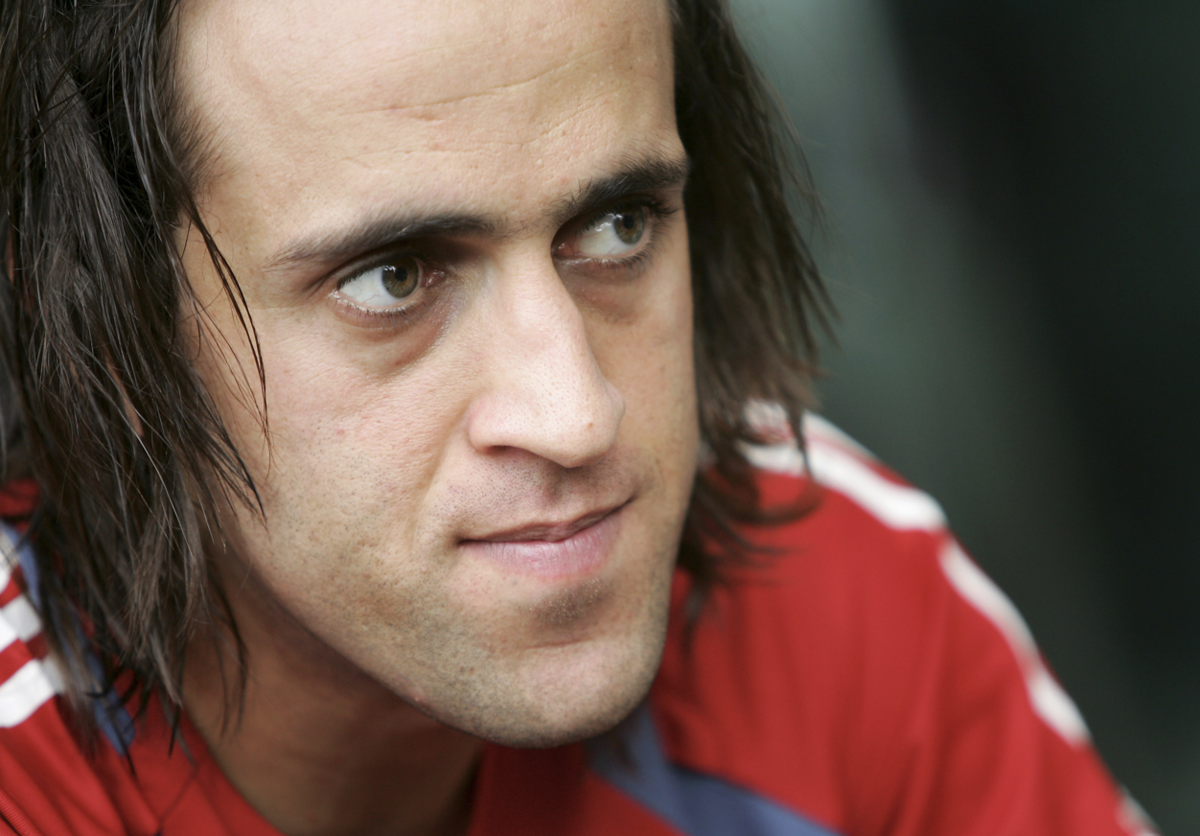
Football extends beyond being a mere sport and integrates deeply into the culture and social fabric of communities worldwide. Particularly, players wield significant influence both on and off the pitch, occasionally becoming the voice for societal issues. In this context, the recent actions of Iranian football legend Ali Karimi deliver a profound call for reflection and bring to light an essential message.
Karimi, an icon of Asian football who graced the fields of Iran and Germany’s prestigious Bundesliga club Bayern Munich, has inspired masses with his extraordinary skills and charisma, establishing his symbolism well beyond the stadium. Recently, the news that he, alongside other football personalities, sent an open letter to Gianni Infantino, President of the International Federation of Football Associations (FIFA), left a significant impression and stirred emotions among football fans worldwide.
The crux of this letter is an appeal for FIFA to publicly denounce the repressive acts such as killings and arrests targeted at Iranian football figures in connection with anti-government protests. While sports aim for political neutrality, what we're observing should be seen as a grave infringement on basic human rights and the right to life, not merely a political issue. In scenarios where the lives and freedom of individuals within the football world are at stake, FIFA, as the sport's premier governing body, inevitably bears a greater responsibility.
How FIFA responds in such circumstances is critical. As the organization responsible for the development and fairness of football around the globe, FIFA has a moral obligation to safeguard the safety and human rights of those within the sport. Upholding the spirit of fair play and humanity, the foundation of sports, is a must. However, the lack of clear public condemnation or response to the current situation from FIFA remains a deeply troubling issue.
From a tactical standpoint, FIFA’s silence may have far-reaching consequences, transcending a passive stance to significantly influence the principles of neutrality in international sports and the approach to human rights issues in future precedents. The relationship between sports and politics has always been intricate, but in extreme situations where the lives of athletes are threatened, FIFA must establish a definitive stance and act to protect these individuals. Prolonged silence could undermine FIFA’s authority and legitimacy, shaking the universal values that football should uphold.
The courageous actions by Ali Karimi and his fellow footballers clearly demonstrate that this is not just an issue confined to Iranian football but serves as a warning to the global football community. It signifies a critical moment for sports organizations to reassess their fundamental missions and roles. Football must pursue unity and peace through the beautiful competition it inspires on the field, ensuring that players’ rights and freedoms are respected throughout this process.
In conclusion, Ali Karimi’s open letter transcends being just a news piece; it poses a fundamental question of how FIFA will uphold the values and principles of sports. Should FIFA remain silent on such critical human rights issues, it sends a wrong message to the global football community and risks tarnishing the purity of sports. Now is the crucial time for FIFA to voice its stance courageously and harness the positive influence of sports to actively protect human dignity.
@AliKarimi @FIFA @IranFootball @FootballNews @InternationalFootballFederation