Recently, in the Asian football scene, there has been a compelling movement aimed at enhancing the quality of referee decisions. Particularly, the Japanese J-League’s initiation of a ‘World Cup Referee Development’ project along with the recruitment of former English Premier League (EPL) referee Mike Riley has captured significant attention among football fans. This is viewed not merely as a talent acquisition but as a strategic long-term investment to elevate the overall performance and fairness of the league.
The ultimate goal of the J-League through this project is straightforward. They aim to produce referees who are competitive on the international stage, thereby elevating the match standards of the league to a higher echelon. The recruitment of Mike Riley is seen as pivotal in achieving these objectives. He is a veteran referee with extensive experience across the English Football League, the Premier League, and FIFA stages. Noteworthy is his tenure as the head of the Professional Game Match Officials Limited (PGMOL) from 2009 to 2023, where he oversaw the entire referee management and education system. His experience from PGMOL is expected to greatly influence the advancement and establishment of a systematic training program for J-League’s referees. Under his leadership, if J-League referees attain competencies aligning with international standards, this could have a positive ripple effect on improving referee standards across all Asian football.
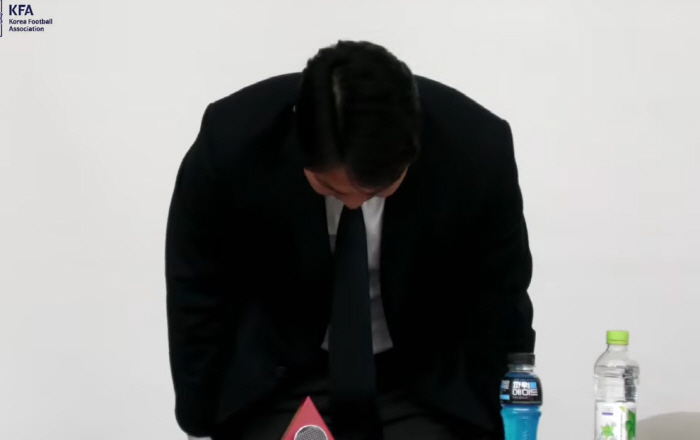
Conversely, the scenario in the domestic K-League presents a stark contrast. Of late, the K-League has witnessed increasing dissatisfaction from fans and clubs due to recurring controversial referee decisions. The situation escalated to an extent where the chief of the Korea Football Association’s referee department publicly apologized at a national assembly hearing regarding referee issues. This underscores that the declining trust in K-League referee decisions has reached a level that can no longer be overlooked. A graver issue is the persistent ‘gag order’ approach, where even when errors are acknowledged, managers are fined for openly criticizing referee decisions. This suggests a focus more on suppressing surface-level controversies rather than addressing fundamental issues.
From a tactical perspective, referees play a crucial role that impacts the flow and outcome of matches directly. Incorrect decisions affect not just the scoreline but the morale, tactical operations of teams, and eventually the overall league standings. Critically, despite the introduction of the VAR system, ongoing controversies rooted in mismanagement or judgment errors signal that the urgency lies not with the system itself but with enhancing the skills of the referees managing it. The J-League’s decision to bring in external expertise and innovate its referee training system focuses precisely on solving these intrinsic problems.
Of course, it should not be overlooked that when Mike Riley left the PGMOL, there were complaints from various clubs about referee competencies and judgment errors during the 2021-22 Premier League season, stirring debates of accountability. This illustrates that no matter how expert an individual may be, the operation of a system invariably comes with challenges and tasks.
The K-League has much to learn from the J-League’s bold attempt. Strengthening post-mistake disciplines or suppressing external criticism alone will not fundamentally improve the quality of judgments. Introducing a systematic referee development program, establishing an education system conforming to international standards, and persistently investing in elevating the professionalism of referees is crucial. Additionally, fostering a transparent and open platform for constructive dialogue based on mutual trust among the league, clubs, and referees is equally important. Remember that recurring controversy over decisions could eventually lead to a decline in league competitiveness and alienation from fans. The K-League should take inspiration from the J-League’s example and present a more daring and long-term roadmap for resolving referee issues.