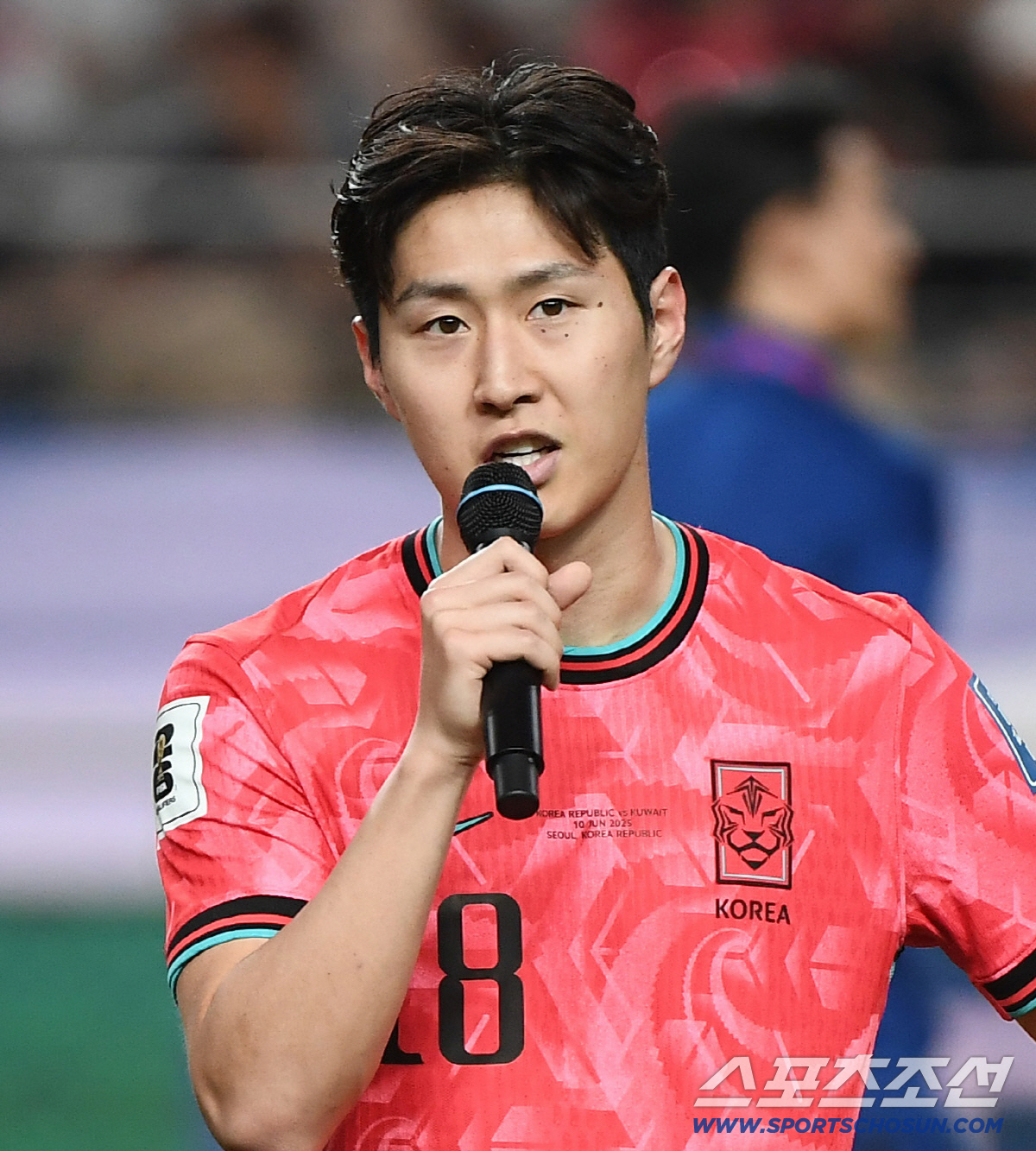
Recently, shocking reports about the salary gap between Paris Saint-Germain (PSG)'s key midfielder Lee Kang-in and his teammate Ousmane Dembélé have caused a significant stir among football fans. Beyond the simple difference in amounts, this report raises the necessity to deeply examine the treatment of players within PSG and their tactical standing. Today, we aim to analyze from a professional perspective how this controversy might impact team dynamics and the performance of individual players.
After a stellar season with Mallorca, Lee Kang-in transferred to the big club PSG, attracting high expectations. His delicate left-foot technique and playmaking ability utilizing his wide vision were anticipated to inject new vitality into PSG's midfield. Although briefly hindered by an early-season injury, Lee has consistently played a significant role in manager Luis Enrique’s tactical setup since his return.
However, according to the report, Ousmane Dembélé's monthly salary reaches about 2.7 billion KRW, while Lee Kang-in's annual salary is approximately five times less. Dembélé, renowned for his global prowess as an attacking asset, commands a high salary, justifiable by his transfer fee and current importance within the team. Yet, considering Lee Kang-in's potential and current contributions to the team, the salary discrepancy cannot be explained solely by market value differences. Particularly, some articles have gone as far as to describe Lee's treatment within PSG as 'nearly slave-level', bringing the issue of uneven player treatment within the club to the forefront.
From a tactical perspective, Dembélé plays a pivotal role in Luis Enrique's attacking strategies, renowned for his wide movements and dribbling that disrupt opposing defenses. His presence adds diversity to the flanks and provides space for Kylian Mbappe. In contrast, Lee Kang-in mainly engages in central midfield and wide positions, being involved in buildup and chance creation. His strengths lie in outmaneuvering opponents in tight spaces, executing precise passes, and delivering threatening left-footed shots. Although their tactical roles and contributions differ, emphasizing one over the other for overall team success is not viable.
The salary gap controversy raises concerns as it might negatively impact team morale and motivation. In team sports, the sense of unity and belonging among players is crucial. If some players feel inadequately rewarded for their contributions, discontent could arise, undermining teamwork. Criticisms about a 'bottom-tier' internal atmosphere suggest issues with the club's player management system, which could adversely affect the team's competitiveness in the long run.
In modern football, where competition for player acquisitions is fierce, fair and reasonable player considerations are essential for clubs. To attract and manage world-class players, PSG needs a fair compensation system. Failing to recognize and reward the appropriate value of young, promising players like Lee Kang-in could create challenges in acquiring star players in the future.
In conclusion, the salary gap controversy between Lee Kang-in and Dembélé poses fundamental questions beyond monetary issues about PSG’s internal operations, player management philosophy, and tactical value assessment. For Lee Kang-in to further flourish and establish himself as a key player in PSG, the club needs to provide a reasonable assessment and corresponding treatment. The spotlight is on how PSG will resolve this issue and what standing Lee Kang-in will find within the team.
@LeeKangin @PSG @Dembélé @FootballNews @SalaryGap @TacticalAnalysis