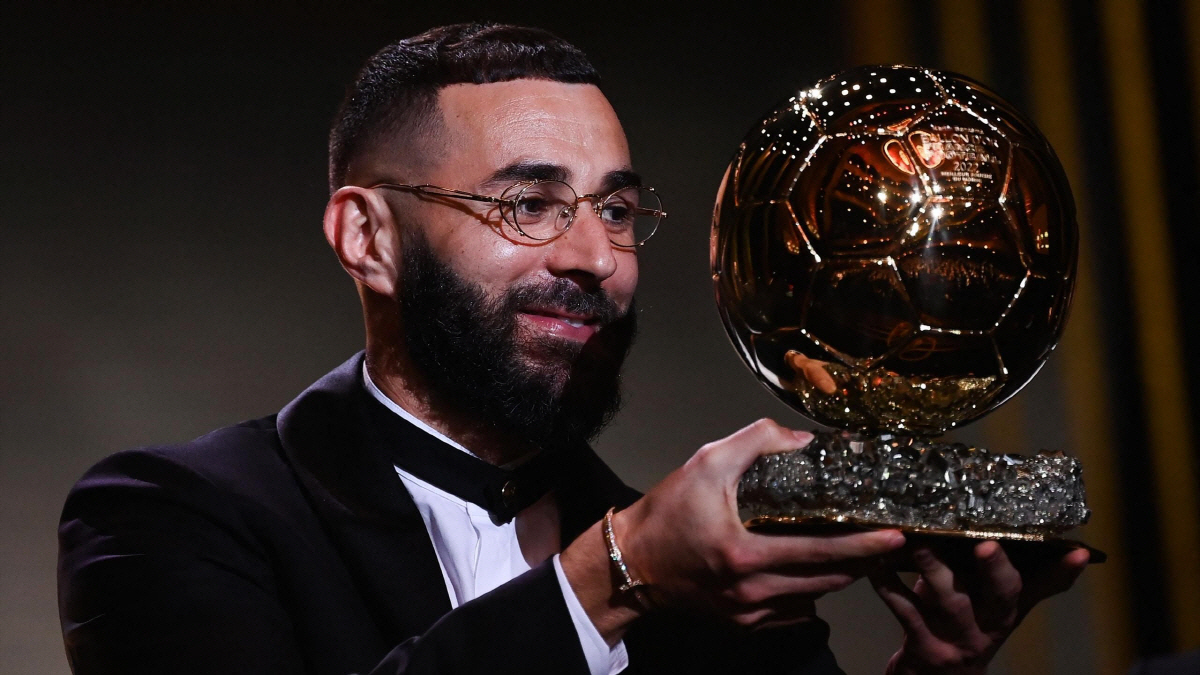
The recent request by Karim Benzema to be omitted from Al-Ittihad’s squad for their match against Al-Fateh has sent shockwaves across the football world. The 2022 Ballon d'Or winner’s unexpected decision transcends mere rumors of discord, raising profound questions about team strategies and the future of the Saudi Pro League as a whole.
The core issue appears to be Benzema's unsuccessful contract renewal negotiations with Al-Ittihad. According to European transfer market expert Ben Jacobs, Benzema’s withdrawal was not decided by Al-Ittihad coach Sérgio Conceição, but a choice made by Benzema himself, signaling a severe fracture in the relationship with the club and increasing uncertainty about his future.
In the summer of 2023, Benzema left Real Madrid to join Al-Ittihad, driven by the Saudi league’s ‘oil money’ revolution. He signed a colossal contract worth approximately $100 million per year, around 142.3 billion won, for a duration extending to the summer of 2026. His decision to withdraw from a game, despite earning such astronomical sums, is almost unprecedented.
From a tactical viewpoint, the loss of Benzema could critically impact Al-Ittihad. He has been a pivotal playmaker and problem-solver in the team's attack. In the 2024-2025 season, Benzema recorded 21 goals and 9 assists in 29 league games, playing a decisive role in surpassing Cristiano Ronaldo to lead the Saudi League. Although his form has fluctuated this season (2025-2026), with 16 goals in 21 matches, his presence still heavily influences the team’s offensive capabilities. His absence could necessitate a fundamental change in Al-Ittihad’s attack strategies, likely resulting in diminished scoring power and creativity. Al-Ittihad already dismissed coach Laurent Blanc in October 2025 due to poor performance, leaving the team environment unstable. Benzema’s sudden refusal to play could further negatively affect team morale and cohesion.
This incident raises broader questions beyond Benzema’s personal issues. The Saudi Pro League’s sustainability and operational methods are under scrutiny as they invest heavily in acquiring global star players. Maintaining high performance corresponding to the lofty salaries and expectations of the star players, coupled with the need for transparent club management, are challenges the Saudi League must address. In January 2024, Benzema expressed a desire to leave Al-Ittihad temporarily due to 'pressure,' seeking a change of scenery, which suggests his dissatisfaction might not be limited to contract issues.
Looking ahead, there are several possible scenarios for Benzema: reaching a dramatic contract resolution with Al-Ittihad, enduring an unstable relationship until the contract ends, or seeking a return to Europe as a free agent in the summer of 2026. Potential destinations include Real Madrid and Benfica, previously managed by José Mourinho, highlighting their interest in securing his services.
In conclusion, Karim Benzema's refusal to play surpasses mere transfer rumors. It starkly illustrates the potential pitfalls within the Saudi Pro League's star system and the complex player management issues hidden behind hefty salary deals. Al-Ittihad risks losing a crucial cornerstone of their team, while the Saudi League faces the challenge of balancing star players’ professional integrity and economic temptations. Observers will keenly watch how this situation unfolds and its impact on the broader landscape of Saudi football.
@KarimBenzema @AlIttihad @SaudiProLeague @BallonDor